
How to Care for Dentures or Partial Dentures — Tips from Your Iowa Dentist

How to Care for Dentures or Partial Dentures — Tips from an Iowa Dentist

Knowing how to care for dentures properly helps your smile stay fresh, prevents irritation, and keeps your dentures lasting longer.

When cleaned and maintained properly, dentures not only look better but also last longer and feel more natural.

Whether you wear full or partial dentures, here’s a simple daily routine approved by our Iowa dentist:
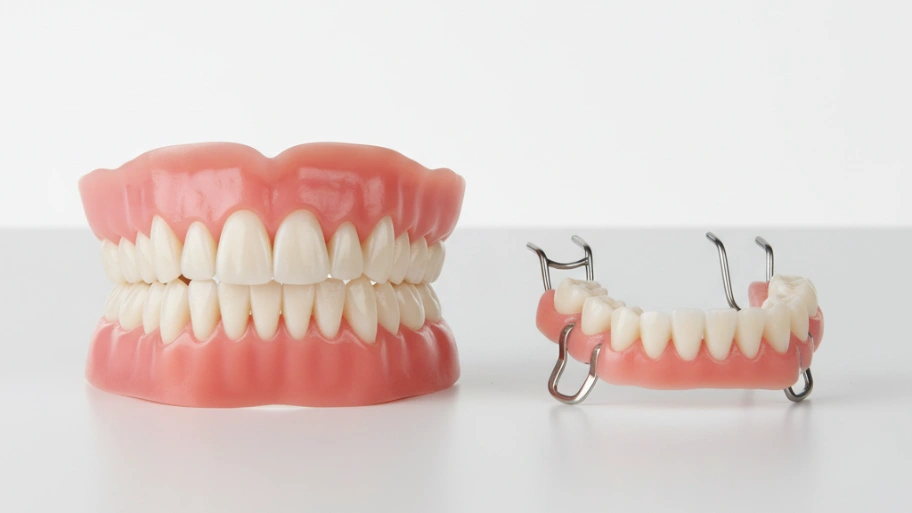
Full and partial dentures displayed side by side on a white surface, used in Dimples Family Dentistry’s guide on how to care for dentures in Norwalk, Iowa

Follow these seven steps to keep dentures clean, comfortable, and long-lasting — and enjoy the confidence of a healthy smile every day.

Why Proper Care Matters for Full and Partial Dentures

Now that you know how to care for your dentures, it helps to understand why those steps matter.

Clean, well-maintained dentures don’t just look better — they protect your gums from irritation, prevent odor, and help your dentures last years longer.

Proper care also saves you money by reducing the need for repairs or replacements, while keeping your smile comfortable and natural-feeling every day.

At Dimples Family Dentistry, we teach Iowa patients how to take care of their dentures the right way — with simple routines that keep their smile bright, their confidence high, and their dentures fitting comfortably year after year.

How to Clean Dentures the Right Way (and Keep Them Fresh)

Knowing how to clean dentures properly keeps your smile fresh, prevents buildup, and helps your dentures fit comfortably over time. The good news? It only takes a few minutes a day.

Here’s a simple routine our Iowa dentist recommend:

Making this quick routine part of your nightly habit is the easiest way for how to keep dentures clean and odor-free — helping your smile stay fresh and comfortable day after day.

Soaking, Storage, and Safe Products

Once your dentures are clean, the next step is keeping them fresh and properly hydrated.

Soaking overnight isn’t just a suggestion — it’s an essential part of how to keep dentures clean and maintain their shape. When dentures dry out, they can warp, crack, or lose their comfortable fit.

If you live in Iowa, where cold, dry winters can pull moisture from the air, soaking becomes even more important. Keeping dentures in a mild cleaning solution overnight helps preserve their smooth surface and prevents bacterial buildup.

Here’s what our Iowa dentists recommend:

Wondering how to get plaque off dentures safely? Choose a non-abrasive denture cleanser, or ask your dentist for a professional ultrasonic cleaning to remove stubborn buildup.

By giving your dentures a proper overnight soak and using safe products, you’ll keep them clean, fresh, and ready for a confident start every morning.

When to Call Your Dentist (and Why It’s Important)

Even with excellent home care, dentures sometimes need a professional touch. If you notice any of the following, it’s time to schedule a visit with your dentist:

A clean denture is important, but making sure it fits securely is just as vital for daily comfort.

Over time, natural changes in your gums and bone can make dentures feel loose or unstable — and that’s completely normal.

Our Iowa dental team can adjust, reline, or replace dentures to restore a secure, comfortable fit so you can speak, smile, and eat confidently year-round.

Iowa Dentist’s Final Tips for Long-Lasting Dentures

Once your dentures fit well and feel comfortable, a few small habits can help you keep them that way for years.

Our Iowa dentists share these simple, local-friendly tips for how to care for dentures and make them last:

With these dentist-approved habits, you’ll always know how to care for your dentures and keep your smile strong, confident, and comfortable through every Iowa season.

Conclusion: Keep Your Smile Confident and Comfortable

Caring for dentures is simple once you know the right steps — and staying consistent makes all the difference.

With the right cleaning habits, proper storage, and a little help from your dentist, your dentures can stay fresh, secure, and natural-looking for years.

For personalized guidance on caring for dentures or partial dentures, visit our Partial & Full Dentures page and schedule a visit with our friendly Iowa dentists.

We’ll help you keep your smile comfortable, confident, and built to last.

Frequently Asked Questions About How to Care for Dentures and Partial Dentures

To keep your dentures looking and feeling their best, give them a thorough cleaning once a day and a quick rinse after every meal.

Regular cleaning removes food debris, prevents stains, and reduces bacteria that can cause odor or irritation.

Make sure to use a soft brush and a mild cleanser designed for dentures—not toothpaste. Consistency is key in caring for dentures and keep them fresh.

If you’re unsure which products to use, ask your dentist for professional recommendations to protect both your dentures and your oral health.

No, it’s best to avoid using standard toothpaste on dentures. Most toothpastes contain abrasive particles that can scratch and dull denture surfaces.

Instead, use a non-abrasive denture cleanser or mild dish soap with a soft-bristled brush.

This method helps maintain the denture’s smooth finish and prevents plaque buildup. Understanding how to clean dentures properly not only keeps them looking new but also helps them last longer.

For safe product suggestions, your dentist can guide you toward ADA-approved cleansers.

When it comes to how to clean partial dentures, gentle care is essential. Remove your partials daily and rinse them under cool water to clear away loose food.

Gently brush your denture with a soft-bristled brush, paying extra attention to the areas near metal clasps. Clean carefully to avoid bending or loosening them during brushing.

Avoid soaking partial dentures in hot water, which may distort the shape. After cleaning, rinse thoroughly before reinserting them.

If plaque or tartar buildup becomes hard to remove, schedule a professional cleaning with your dentist.

Odor is often caused by bacteria or trapped food particles. To prevent smells, brush your dentures daily with a mild cleanser, soak them overnight, and rinse before wearing them again.

Cleaning your gums and tongue is also important since odor-causing bacteria can transfer back onto your dentures.

Making these steps part of your dentures routine keeps your breath fresh and your dentures feeling clean.

If odor persists, your dentist can check for buildup or fit issues that might be trapping bacteria.

It’s better to remove your dentures at night. Sleeping without them allows your gums to rest and prevents irritation or infection.

Overnight removal also lets you soak your dentures—one of the best ways to keep dentures clean and maintain their shape.

Wearing them 24/7 can lead to sore spots or gum inflammation.

So, before bed, simply brush and soak your dentures in water or a cleaning solution, and you’ll wake up to a fresher, healthier fit.

Plaque can form on dentures just like it does on natural teeth.

The best way for how to get plaque off dentures is by brushing daily with a soft denture brush and soaking them overnight in a non-abrasive cleanser.

Avoid skipping your nightly cleaning—this is when most buildup occurs. If you notice hardened deposits, ask your dentist about professional ultrasonic cleaning.

Staying consistent with these steps is key to how to keep dentures clean and free from odor-causing bacteria.

Yes, hot water can warp the acrylic base of your dentures, causing an uneven fit. Always rinse and soak dentures in cool or lukewarm water instead.

Temperature matters when learning to care for dentures—heat may seem like a good way to kill germs, but it can permanently change the shape of your denture.

To disinfect safely, use an ADA-approved cleanser recommended by your dentist, not boiling water or harsh solutions.

Soaking is a key step in how to keep dentures clean and comfortable.

You can use plain water or a mild denture-cleaning solution—both keep dentures hydrated and prevent warping.

Avoid bleach or alcohol-based products, which can weaken materials and irritate your mouth. In Iowa’s colder months, soaking also prevents dryness and cracking.

Always rinse your dentures thoroughly in the morning before wearing them to remove any cleanser residue and ensure a fresh start to your day.

While vinegar and baking soda are common home remedies, they’re not ideal for dentures. Both can be too harsh and may damage the acrylic base over time.

Instead, use ADA-approved denture cleaners formulated to remove stains and plaque without abrasion. Following the right routine for how to clean dentures ensures they last longer and maintain their natural color.

If you prefer a more natural option, ask your dentist about gentle, professional-grade solutions that are safe for daily use.

With good care, dentures typically last between five and seven years. Over time, your mouth’s natural shape changes, and the dentures may start to feel loose or worn.

Following daily cleaning habits and regular checkups is the best way for how to care for dentures and keep them in top condition.

If they start to fit poorly, your dentist can reline or adjust them to restore comfort.

Taking good care of your dentures helps them stay strong and keeps your smile feeling natural and self-assured.

Neglecting regular cleaning can lead to plaque buildup, gum irritation, and even mouth infections.

Unclean dentures may also develop unpleasant odors or discoloration. Learning how to clean dentures properly prevents these issues and keeps your oral tissues healthy.

If you notice soreness, a white film, or persistent odor, schedule a dental visit as soon as possible.

Professional cleaning and adjustments can restore freshness and protect both your dentures and your gums.

When not in use, keep dentures moist to prevent warping and cracks. The safest way for how to keep dentures clean and hydrated is by storing them in cool water or a denture solution overnight.

Avoid wrapping them in tissue or leaving them exposed to air, as dryness can cause the material to shrink.

If you’re traveling, use a clean case to keep them protected.

With just a little care each day, you can protect your dentures and keep your smile feeling natural for years.

Yes, mild soreness or tightness is common as your mouth adjusts to new dentures.

Most people get used to their dentures within a few weeks, especially when they stick to a consistent how to care for dentures routine that includes gentle cleaning and nightly soaking.

However, if discomfort persists or you experience rubbing or pain, contact your dentist.

They can make small adjustments to improve the fit. Don’t try to fix dentures yourself—professional refinements ensure long-term comfort and prevent damage.

Only alcohol-free mouthwash should be used on dentures. Regular mouthwash formulas can dry out or weaken the denture material.

Instead, use a denture cleanser for deep cleaning and reserve mouthwash for rinsing your gums and mouth. This balance keeps both your oral tissues and dentures healthy.

If you’re unsure how to clean dentures safely using mouthwash, ask your dentist for product recommendations suited to your daily care routine.

If your dentures start to feel loose or slip when you talk or eat, it’s time to visit your dentist. Over time, your gums and jawbone naturally change shape, which can affect how dentures fit.

Avoid using excess adhesive to compensate, as this may mask an underlying issue. A professional refit or reline restores comfort and stability.

Knowing how to care for dentures also means recognizing when they need adjustment—doing so early prevents sore spots and extends their lifespan.

Stains can develop from coffee, tea, or tobacco use. To remove them safely, brush dentures daily using a soft brush and a non-abrasive cleanser made for dentures.

Avoid whitening toothpaste—it can scratch the surface and make stains worse. For deep stains that don’t come off with brushing, your dentist can professionally clean or polish them.

Keeping up with daily hygiene is the best way for how to keep dentures clean and looking like new.

It’s best to leave polishing to your dentist. Home tools or abrasive products can damage the smooth finish and alter how dentures fit.

Dentists use specialized equipment and polishers that restore shine without removing protective layers. Understanding how to care for dentures includes knowing which tasks to do at home and which to leave to professionals.

Regular cleanings during checkups keep them bright, smooth, and comfortable without risking damage.

Iowa’s dry winter air can cause dentures to lose moisture faster.

To protect them, soak dentures overnight in water or a mild cleaning solution, and avoid placing them near heating vents or radiators.

These habits are part of how to care for dentures safely during seasonal changes. Keeping them hydrated prevents warping or cracking, ensuring they stay comfortable and well-fitted all year long.

If they feel dry or rough, schedule a quick checkup for adjustment.

Most dentures last about five to seven years, but replacement may be needed sooner if they start to loosen, crack, or change color.

Over time, your mouth naturally shifts and the shape of your gums can change, which may cause dentures to feel less stable.

Routine checkups help your dentist spot signs of wear early and recommend adjustments or a new set when necessary.

Staying proactive is an important part of how to care for dentures and keeping your smile healthy and secure.

Put Your Dental in Good Hands

Experiencing a dental emergency in Norwalk, IA? Contact Dimples Family Dentistry at (515) 256-1176 for immediate assistance and expert care.

I've been seeing Dr. Ethan Roos at Dimples Dentistry for over 5 years and have always been happy with the care I've received here. The staff has always been very welcoming, as if you are part of the family. I highly recommend!!

Courtney Fick

Called Dimples and wish I called them first. Their receptionist was SO kind and SO helpful. Even offered to call to have my records sent to them in hopes to save me some money from doing x rays again. She was nothing but sweet! Got me scheduled within 2 days. Went above and beyond and was kind when I arrived.

Dan and Sara Carlson

Dr. Roos and his staff are incredibly professional, kind, and knowledgeable. Their pricing is also extremely reasonable, even for those without insurance. We had an excellent experience with a dental emergency exam; they also had availability to fit us in for a routine exam and cleaning after the emergency exam.

Andrea Pabody

Check Out What Others Have To Say About Our Service

5 Ways Solea Laser Dentistry Makes Your Visit More Comfortable

5 Ways Solea Laser Dentistry Makes Your Visit More Comfortable

Going to the dentist shouldn’t be something you dread — but for many people, fear of pain, the sound of a drill, or anxiety about injections can make it stressful.

At Dimples Family Dentistry here in Norwalk, IA, we’re changing that experience with Solea Laser Dentistry.

This advanced dental technology allows us to perform many treatments without needles, without drills, and with far more comfort than traditional methods.

Patient receiving Solea laser dentistry treatment at Dimples Family Dentistry in Norwalk, IA, performed by skilled dental professionals for a comfortable, pain-free visit

In the next few minutes, you’ll discover five specific ways Solea Laser Dentistry can make your next visit easier, faster, and virtually pain-free.

Whether you’ve been putting off care or you simply want a gentler dental experience, these benefits could change the way you think about going to the dentist.

The 5 Comfort-Boosting Benefits of Solea Laser Dentistry

When you’re ready to step into a calmer, more modern dental experience, here’s exactly how Solea Laser Dentistry makes that possible.

1. No Needles for Most Procedures

If you’ve been avoiding the dentist because you dread the sting of an injection, you’re not alone. One of the biggest advantages of seeing a Solea laser dentist is that many treatments can be done without numbing shots. 

The laser works so precisely that it removes decay or reshapes tissue with minimal discomfort, greatly reducing the need for anesthesia in most cases.

That means less anxiety before your appointment and no lingering numbness afterward.

2. Drill-Free, Quiet Treatments

For many patients, it’s not just the discomfort — it’s the high-pitched whine and vibration of the dental drill that makes them tense. 

With laser dentistry using the Solea system, those sensations are replaced by a quiet, gentle laser sound. This change alone can make your visit feel far more relaxed and stress-free.

3. Virtually Pain-Free Experience

Because the Solea laser works without generating heat, pressure, or friction, most patients feel little to no discomfort during their procedure. 

It’s gentle on both teeth and gums, helping you stay at ease in the chair and feel better in the hours after your visit.

4. Faster Appointments and Recovery

Busy schedule? The efficiency of Solea laser dentistry allows your dentist to complete your treatment more quickly than traditional methods. 

The laser also helps minimize bleeding and swelling, so you can recover faster and get back to your day without unnecessary delays.

5. Safe and Precise for Multiple Procedures

A Solea laser dentist can treat different areas of your mouth in a single visit thanks to the laser’s accuracy and adaptability. 

Whether it’s working on a cavity and smoothing gum tissue in the same session or addressing several small issues at once, you’ll enjoy precise results with fewer overall appointments.

How Does Solea Laser Dentistry Work?

The Solea laser is a type of advanced CO₂ dental laser designed to work on both teeth and gums with remarkable precision.

It uses a specific wavelength of light to gently remove targeted areas without affecting surrounding tissue.

Here’s what makes it different from traditional tools and even other lasers:

Because it works so efficiently and precisely, the Solea laser supports many of the comfort benefits we’ve just covered — fewer injections, a quieter visit, and faster recovery.

It’s one of the key reasons patients at Dimples Family Dentistry in Norwalk are enjoying a completely different kind of dental experience.

💡 Is Solea Laser Dentistry Right for You?

Not every patient has the same concerns when it comes to dental care — but for many, the comfort and convenience of Solea Laser Dentistry can make a world of difference. 

You might be an ideal candidate if:

If any of these sound like you, Solea Laser Dentistry could be exactly what you’ve been looking for.

At Dimples Family Dentistry, we’ve helped many patients in Norwalk experience stress-free visits and healthier smiles — and we’d be happy to help you do the same.

📍 Experience the Difference at Dimples Family Dentistry

At Dimples Family Dentistry, we believe every patient deserves dental care that’s both effective and comfortable. 

That’s why we’ve invested in modern technology like the Solea laser and built a team that’s known for being friendly, approachable, and focused on your needs.

We’ve helped countless patients here in Norwalk, IA overcome dental anxiety, save time in the chair, and leave with healthier, happier smiles.

From your first visit, you’ll notice the difference — a warm welcome, a calm environment, and care that’s designed to make you feel at ease.

Ready to see how comfortable a dental visit can be?

Schedule your appointment with Dimples Family Dentistry today and experience the Solea Laser difference for yourself.

Dr. Ethan Roos D.D.S., DENTIST

ABOUT THE AUTHOR

Dr. Roos was raised in West Des Moines, IA. He attended Valley High School and went to college at Luther College in Decorah, IA. He graduated from the University of Iowa College of Dentistry in 2004. He has attended numerous post-graduate courses in endodontics and orthodontics. He is a member of the American Dental Association, the Iowa Dental Association, and the American Orthodontic Society.

Dr. Roos is married to his wife Sara and they have 6 children. He enjoys spending time with his wife and children, gardening, landscaping, and farming with his cousin on their family farms in Avoca, IA.

Put Your Dental in Good Hands

Schedule your dental appointment today and take a proactive step towards maintaining your oral health! by calling Dimples Family Dentistry in Norwalk, IA, today at (515) 256-1176.

I've been seeing Dr. Ethan Roos at Dimples Dentistry for over 5 years and have always been happy with the care I've received here. The staff has always been very welcoming, as if you are part of the family. I highly recommend!!

Courtney Fick

Called Dimples and wish I called them first. Their receptionist was SO kind and SO helpful. Even offered to call to have my records sent to them in hopes to save me some money from doing x rays again. She was nothing but sweet! Got me scheduled within 2 days. Went above and beyond and was kind when I arrived.

Dan and Sara Carlson

Dr. Roos and his staff are incredibly professional, kind, and knowledgeable. Their pricing is also extremely reasonable, even for those without insurance. We had an excellent experience with a dental emergency exam; they also had availability to fit us in for a routine exam and cleaning after the emergency exam.
Andrea Pabody

Check Out What Others Have To Say About Our Service

Benefits of Same Day Dental Crown

The Benefits of Same Day Dental Crowns: Getting to the Root of Why They’re Worth It

What Exactly Is a Same Day Dental Crown—And Why It’s Different

If you’ve ever needed a dental crown, you probably expected the usual process: two visits, a temporary crown, and weeks of waiting. 

But what if you could skip the inconvenience and leave your appointment with a fully restored tooth that same day?

That’s exactly what a same day dental crown offers.

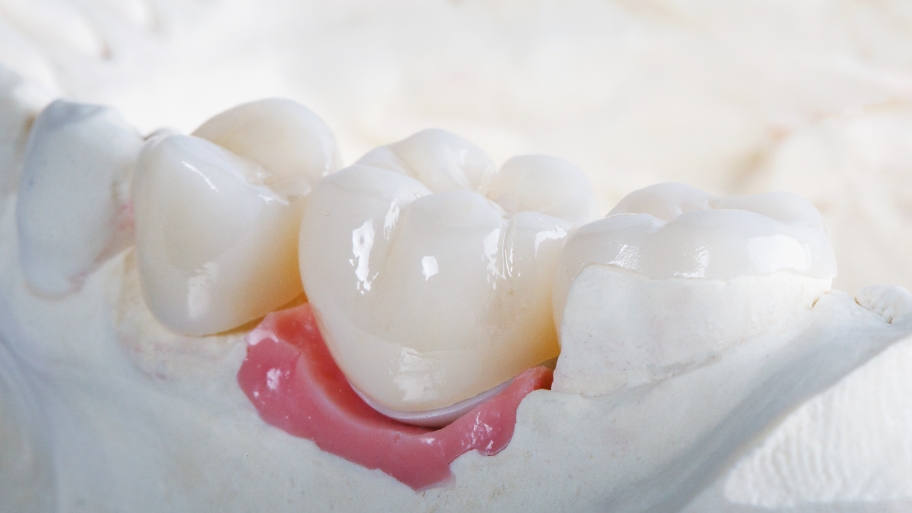
Same day dental crown on a molar model showing precise fit and gumline detail at Dimples Family Dentistry, Norwalk, IA

Thanks to advanced technology like the CEREC crown system, your dentist can design, create, and place your crown in just one visit—right there in the office.

No goopy impressions, no second appointments, and no flimsy temporary crowns. It’s a streamlined solution that prioritizes your time, comfort, and smile.

Imagine walking in with a broken or damaged tooth and leaving with a fully restored one—without interrupting your workweek or rescheduling your calendar.

That’s the power of a one visit dental crown, and it’s changing the way patients experience restorative care.

⭐ Why Patients Are Choosing Same Day Crowns More Than Ever

Today’s dental patients want care that fits seamlessly into their lives—without unnecessary hassle or outdated processes.

That’s why so many people are choosing the single visit dental crown.

Beyond just saving time, this modern solution delivers a smoother, more reassuring experience from start to finish.

🦷 1. You’re In, Out, and Back to Life—Fast

Rather than taking multiple days off or juggling appointments, patients love how this option lets them take care of their smile and move on with their day. 

If you’re busy juggling work, school, or kids, a CEREC crown helps you reclaim your schedule without sacrificing care.

🦷 2. Less Dental Anxiety, More Confidence

Many patients find that the benefits of same day dental crowns go beyond convenience—they help reduce dental stress. 

There’s something reassuring about knowing everything will be done in one sitting, without drawn-out treatment timelines or uncomfortable in-between stages.

🦷 3. A Crown That Feels Right—From the Start

Thanks to advanced digital scanning, your CEREC crown is made to fit your tooth perfectly on the first try. 

That means fewer bite adjustments, less chair time, and a crown that feels like it’s been part of your mouth all along.

🦷 4. A High-Tech Experience That Feels Personal

Modern dental tools like CEREC technology aren’t just impressive—they help your dentist work faster and more precisely, all while keeping you comfortable. 

Patients appreciate the blend of innovation and personal care that comes with this treatment approach.

🦷 5. It Doesn’t Just Work Fast—It Lasts

Patients are often surprised to learn that these same day dental crowns aren’t just convenient—they’re also built to last. 

Made from durable, lifelike ceramic, your crown is carefully shaped and shaded to blend in naturally with your smile.

⚠️ When a Same Day Crown Might Not Be Right

While same day dental crowns are an excellent solution for many people, they’re not always the best fit for every dental case.

In rare situations, your dentist may recommend a traditional crown to give your tooth the reinforcement or precision that digital methods can’t fully deliver.

Some examples where a same day crown might not be the best option include:

At Dimples Family Dentistry, your comfort and long-term results always come first.

Your dentist will take the time to evaluate your situation and explain every option clearly—so you can move forward with confidence, knowing your crown will be the right fit for you.

Because when it comes to your smile, it’s not just about what’s fastest—it’s about what’s best for your unique needs.

💡 So, Is It Worth It? Absolutely—Here’s Why

When you weigh the convenience, comfort, and quality of a same day dental crown, the answer becomes clear—it’s absolutely worth it.

You save time, avoid hassle, and get a permanent crown that’s ready the moment you are. There’s no waiting, no back-and-forth appointments, and no temporary fixes. 

Instead, you walk away with a durable, natural-looking restoration made with precision—often in just a single visit.

For many patients, it’s not just about speed—it’s about the experience. A smoother appointment. A more comfortable procedure. And a result that looks and feels like a real tooth.

Thousands of patients choose this option every day—and they don’t look back. And when it’s done right, by a team that puts your needs first, the benefits of same day crowns go well beyond the chair.

📍 Why Dimples Family Dentistry Is the Best Choice for Same Day Crowns in Norwalk, IA

When it comes to getting a same day dental crown, who you choose matters just as much as the crown itself. 

At Dimples Family Dentistry in Norwalk, IA, we combine advanced technology with personal, family-centered care—so you get the best of both worlds.

We proudly use CEREC crown technology, allowing us to create precise, natural-looking crowns right here in our office. That means your treatment can be completed in just one visit, without the hassle of outside labs or long waits.

But what really sets us apart is how we treat people.

From the moment you walk in, our team focuses on your comfort, your time, and your long-term oral health.

Whether you’re coming in for urgent care or a routine restoration, we’ll walk you through every step—and make sure you leave with a confident smile.

👉 Ready to skip the wait and get your crown in a single visit? Book your one-visit crown consultation today.

Dr. Ethan Roos D.D.S., DENTIST

ABOUT THE AUTHOR

Dr. Roos was raised in West Des Moines, IA. He attended Valley High School and went to college at Luther College in Decorah, IA. He graduated from the University of Iowa College of Dentistry in 2004. He has attended numerous post-graduate courses in endodontics and orthodontics. He is a member of the American Dental Association, the Iowa Dental Association, and the American Orthodontic Society.

Dr. Roos is married to his wife Sara and they have 6 children. He enjoys spending time with his wife and children, gardening, landscaping, and farming with his cousin on their family farms in Avoca, IA.

Put Your Dental in Good Hands

Schedule your dental appointment today and take a proactive step towards maintaining your oral health! by calling Dimples Family Dentistry in Norwalk, IA, today at (515) 256-1176.

I've been seeing Dr. Ethan Roos at Dimples Dentistry for over 5 years and have always been happy with the care I've received here. The staff has always been very welcoming, as if you are part of the family. I highly recommend!!

Courtney Fick

Called Dimples and wish I called them first. Their receptionist was SO kind and SO helpful. Even offered to call to have my records sent to them in hopes to save me some money from doing x rays again. She was nothing but sweet! Got me scheduled within 2 days. Went above and beyond and was kind when I arrived.

Dan and Sara Carlson

Dr. Roos and his staff are incredibly professional, kind, and knowledgeable. Their pricing is also extremely reasonable, even for those without insurance. We had an excellent experience with a dental emergency exam; they also had availability to fit us in for a routine exam and cleaning after the emergency exam.
Andrea Pabody

Check Out What Others Have To Say About Our Service

CEREC Crowns: The Fast-Track to a Flawless Smile

CEREC Crowns: The Fast-Track to a Flawless Smile

Waiting weeks for a dental crown, wearing a temporary one that doesn’t quite fit, and juggling multiple appointments—it’s enough to make anyone put off treatment.

That’s why more patients are choosing CEREC crowns, a same-day solution that saves time without cutting corners.

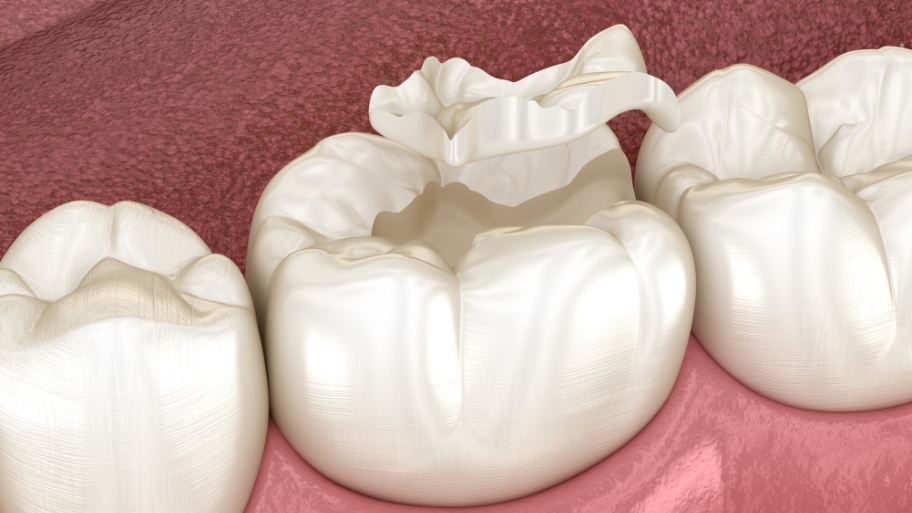
Illustration of a CEREC crown being placed on a molar tooth, showcasing same-day dental technology at Dimples Family Dentistry in Norwalk, IA

This guide is here to walk you through the full process—how it works, who it’s for, what to expect, and why it’s quickly becoming one of the most convenient ways to restore a tooth.

You’ll also learn where you can get expert same-day care in Norwalk, Iowa from a team patients trust: Dimples Family Dentistry.

So if you’re wondering whether there’s a faster, more comfortable way to get a crown, you’re in the right place. Let’s take a closer look at what makes CEREC a smarter option for today’s dental patients.

What the CEREC Crown Procedure Looks Like (No Lab, No Wait)

The CEREC crown procedure is designed to keep things simple and patient-friendly from the moment you sit down.

Instead of a multi-step treatment stretched over several visits, this process is handled in one continuous appointment—with everything done right in the office.

Here’s how it typically works:

1️⃣ Digital Scan
Your dentist starts by scanning your tooth using a small, handheld camera. It creates a detailed 3D image of your mouth—no sticky impressions or uncomfortable trays needed.

2️⃣ Custom Design
That scan is used to design a crown that’s shaped to fit your bite and match the look of your natural teeth. You can even see a preview of it on screen before it’s made.

3️⃣ In-House Milling
Once the design is finalized, the crown is carved from a block of ceramic using a precise milling machine, usually within 15 to 20 minutes.

4️⃣ Fitting and Bonding
The dentist checks the fit, makes any final adjustments, and bonds the crown to your tooth. After a quick polish, it’s ready to go.

From scan to placement, most CEREC crown procedures take under two hours. And because the entire process happens during your visit, it’s more streamlined—no back-and-forths or outsourcing.

The Benefits of CEREC Crowns You’ll Actually Notice

The benefits of CEREC crowns often go beyond what patients expect walking in. It’s not just about saving time—it’s about the way it fits into your life, both during and after treatment.

Here’s what patients tend to notice most:

👌 Less Disruption to Your Life

You’re not trying to remember if your temp crown is still intact, or planning another visit weeks later. For many patients, it’s one and done—which means fewer interruptions to your routine.

🎯 Fewer Adjustments, Fewer Issues

Because everything is done digitally and in one visit, dentists can fine-tune your crown immediately. You don’t need to return just to adjust the bite or fit later on.

🧾 More Predictable Than Traditional Crowns

When a crown is made off-site, there’s always a chance it won’t fit quite right. With CEREC, everything is scanned, designed, and milled in-house—so you get more control and less surprise.

😌 You Feel Like It’s Over (Because It Is)

No follow-up, no extra scheduling, no awkward temporaries to baby. The final crown is in place, and the problem tooth is no longer on your mental to-do list.

What You Should Know About the Drawbacks

CEREC crowns offer a long list of advantages—but like any dental treatment, they’re not the perfect fit for every situation. Being aware of a few key limitations can help you make a more informed decision.

That said, most of these drawbacks come with a simple workaround—or don’t apply at all, depending on your needs.

🧱 May Not Be Right for Every Tooth

While CEREC crowns are ideal for many situations, they’re not always the best choice for back teeth that require added strength—especially if you grind your teeth or need extra reinforcement.

Solution: Your dentist may recommend a different crown material for high-stress teeth, like those made with a metal core. For most visible or moderately used teeth, CEREC still offers excellent durability.

🧮 Costs Can Vary

In some cases, CEREC crowns may have a higher up-front cost than traditional crowns—depending on your provider, insurance, and location.

Context: Because you’re only paying for one visit and no lab fees, the total cost often balances out. And for many patients, the time saved is more than worth it.

🛠 Repairs Require Specialized Equipment

If a CEREC crown ever chips or needs adjustment down the road, not every dental office has the equipment to work on it directly.

Solution: That’s why it’s helpful to have your crown made by a provider who offers full-service in-office support—like Dimples Family Dentistry in Norwalk, IA.

While CEREC crowns may not suit every case, for most patients looking for a fast, custom-made restoration that feels natural and fits perfectly—they’re an ideal match.

CEREC Crowns vs Traditional Crowns: Which One’s Right for You?

By now, you’ve seen how CEREC crowns stand out for speed and convenience—but they’re not always the best fit for every situation. 

The best choice for you depends on your lifestyle, your dental needs, and even your priorities.

Here’s how to think it through:

👤 You might prefer CEREC crowns if:

👉 You want everything done in one visit—no follow-ups, no temporaries

👉 You value comfort and would rather skip the traditional impressions

👉 You care about aesthetics and want a crown that blends in naturally

👉 You have a tight schedule and don’t want to miss multiple days of work or school

👉  You like the idea of seeing your crown design come together in real time

👤 A traditional crown might be better if:

👉 You need added durability for a molar under heavy bite pressure

👉 You have specific insurance coverage that favors lab-made crowns

👉 Your dentist recommends a particular material not available in CEREC systems

👉 You’re already having other dental work done that’s staged over multiple visits

If you’re unsure, your dentist can walk you through both options—what each one involves, how they’ll look, and what’s best based on your specific case. 

At Dimples Family Dentistry in Norwalk, we offer both traditional and CEREC crowns so you’re never limited to just one choice.

The goal is always the same: a crown that protects your tooth, looks natural, and fits like it belongs.

How Long Do CEREC Crowns Last and How to Care for Them

One of the most common questions patients ask is: How long do CEREC crowns last?

The short answer: 10 to 15 years on average, but many last even longer with the right care.

While CEREC crowns are made from high-quality ceramic that’s strong and durable, their lifespan—just like natural teeth—depends on how you treat them day to day.

🧼 Everyday Care Tips to Make Yours Last

✅ Brush and floss like normal
Just because it’s a crown doesn’t mean you can skip brushing around it. Floss gently at the margins to keep the gums healthy and prevent buildup around the edges.

✅ Avoid chewing on hard objects
Ice, pens, fingernails, and even hard candy can damage both crowns and natural teeth. Being mindful helps protect your investment.

✅ Watch for grinding or clenching
If you grind your teeth at night (even unknowingly), your dentist may recommend a nightguard to prevent long-term wear on your crown.

Schedule regular checkups
Your dentist will keep an eye on the crown’s integrity and your bite. Catching every minor issues early can help you avoid replacements or repairs later on.

Ready for a Same-Day Smile? Here’s How Dimples Family Dentistry Can Help

If you’ve been putting off dental work because of time, discomfort, or the hassle of multiple appointments, CEREC crowns might be the solution you didn’t know you were looking for.

At Dimples Family Dentistry in Norwalk, IA, we offer same-day CEREC restorations using state-of-the-art digital technology—so you can get back to smiling with confidence, often in just a single visit.

What sets us apart isn’t just the technology—it’s the way we use it. Our team takes the time to get every detail right, ensuring that your new crown fits comfortably, looks natural, and supports your long-term dental health.

We’ve helped countless patients restore damaged or worn teeth with CEREC crowns that look great and hold up beautifully over time. Whether you’re dealing with a cracked tooth or replacing an old restoration, we’re here to make the process as smooth and stress-free as possible.

📞 Let’s get you smiling again.

Dimples Family Dentistry proudly offers CEREC crowns right here in Norwalk—no temporary crowns, no waiting. Just fast, personalized results from a team that puts your comfort first.

Call us today to schedule your consultation.

Dr. Ethan Roos D.D.S., DENTIST

ABOUT THE AUTHOR

Dr. Roos was raised in West Des Moines, IA. He attended Valley High School and went to college at Luther College in Decorah, IA. He graduated from the University of Iowa College of Dentistry in 2004. He has attended numerous post-graduate courses in endodontics and orthodontics. He is a member of the American Dental Association, the Iowa Dental Association, and the American Orthodontic Society.

Dr. Roos is married to his wife Sara and they have 6 children. He enjoys spending time with his wife and children, gardening, landscaping, and farming with his cousin on their family farms in Avoca, IA.

Put Your Dental in Good Hands

Schedule your dental appointment today and take a proactive step towards maintaining your oral health! by calling Dimples Family Dentistry in Norwalk, IA, today at (515) 256-1176.

I've been seeing Dr. Ethan Roos at Dimples Dentistry for over 5 years and have always been happy with the care I've received here. The staff has always been very welcoming, as if you are part of the family. I highly recommend!!

Courtney Fick

Called Dimples and wish I called them first. Their receptionist was SO kind and SO helpful. Even offered to call to have my records sent to them in hopes to save me some money from doing x rays again. She was nothing but sweet! Got me scheduled within 2 days. Went above and beyond and was kind when I arrived.

Dan and Sara Carlson

Dr. Roos and his staff are incredibly professional, kind, and knowledgeable. Their pricing is also extremely reasonable, even for those without insurance. We had an excellent experience with a dental emergency exam; they also had availability to fit us in for a routine exam and cleaning after the emergency exam.
Andrea Pabody

Check Out What Others Have To Say About Our Service

How the Dental Implant Procedure Replaces the Root of Your Missing Tooth

How the Dental Implant Procedure Replaces the Root of Your Missing Tooth

When you lose a tooth, you’re not just missing the visible crown—you’re also missing the root that once anchored it in your jaw. 

The dental implant procedure replaces that root with a small titanium post, which is carefully placed into the jawbone where the tooth used to be.

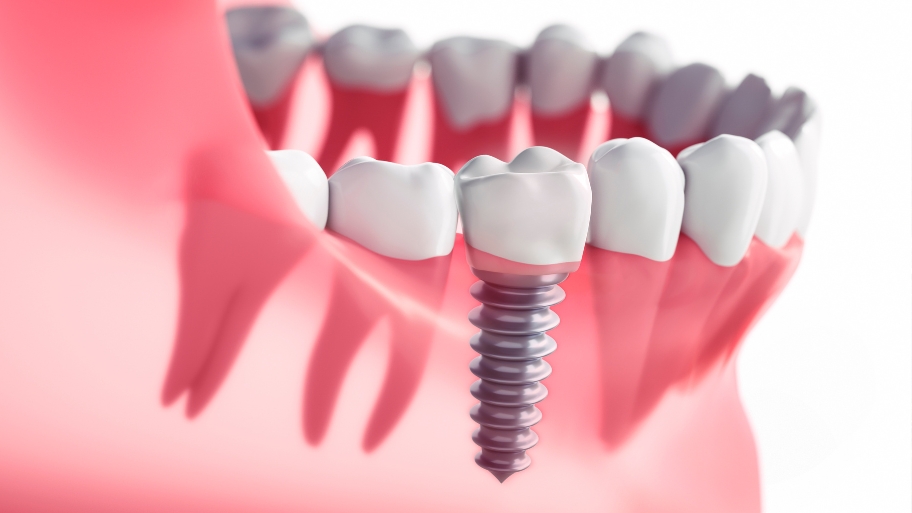
Dental implant procedure illustration showing titanium post fused into jawbone, provided by Dimples Family Dentistry in Norwalk, IA

Over time, your body naturally heals around the implant through a process called osseointegration. This means the implant actually fuses with your jawbone, becoming a stable, permanent foundation—just like a natural root.

The result? A strong, secure replacement that not only holds a crown in place but also helps prevent bone loss, maintain your facial structure, and restore real chewing strength. It’s the closest thing to getting your natural tooth back.

What the Dental Implant Procedure Involves (At a Glance)

The dental implant procedure is completed in stages over several months. Each stage plays a key role in making sure your new tooth is strong, stable, and built to last.

Here’s a quick breakdown of what to expect:

1️⃣ Initial evaluation – Imaging, dental history, and jawbone assessment

2️⃣ Treatment planning – Custom roadmap based on your oral health

3️⃣ Implant placement – Titanium post is surgically positioned into the jaw

4️⃣ Healing period – Your bone fuses with the implant (osseointegration)

5️⃣ Abutment placement – Connector piece added after healing

6️⃣ Final restoration – A lifelike crown is attached to complete your smile

Each step builds on the last to restore not just the look—but the full function—of your missing tooth.

Step-by-Step: What Happens During the Procedure

Now that you’ve seen the big picture, let’s break down what each stage of the dental implant procedure actually involves—and what it means for you as a patient. 

This part of the journey is all about precision, healing, and rebuilding strength from the root up.

Step 1 – Personalized Planning (Including Bone Graft Considerations)

Your implant journey begins with a detailed exam and planning session. At this visit, your dentist will:

Take 3D scans and X-rays of your mouth

Review your dental and medical history

Examine your jawbone to see if it’s strong enough to support an implant

If the bone has weakened due to tooth loss or aging, your dentist may recommend a bone graft. This procedure adds or encourages new bone growth, creating a stable foundation for the implant.

While not everyone needs one, it’s a key part of making sure the implant will hold securely for years to come.

This step ensures that everything is set up for long-term success before any surgery begins.

Step 2 – Implant Placement

Once your treatment plan is ready, the implant placement takes place. This involves inserting a small titanium post directly into your jawbone. It sounds intense—but most patients say it feels more like pressure than pain.

Here’s what to expect:

The area will be fully numbed with local anesthesia

The procedure usually takes under an hour

You’ll receive aftercare instructions to support healing

You might notice mild swelling or tenderness afterward, but that’s completely normal and manageable with simple pain relief. Most people return to their daily routines within a day or two.

Step 3 – Osseointegration: How Your Bone Fuses with the Implant

After the implant is placed, the healing begins—and this is where the real strength forms.

Your jawbone gradually grows around the titanium post in a process called osseointegration, locking it in place as if it were a natural root. This phase typically takes a few months, but you won’t feel it happening.

During this time:

You’ll likely use a temporary tooth for comfort and appearance

Your dentist will monitor your healing progress

You’ll be encouraged to maintain good oral hygiene and avoid hard foods

This stage is critical because it’s what gives the implant its root-level stability and allows it to last for decades, not just years.

Step 4 – Placing the Abutment and Crown

Once your jawbone has fully bonded with the implant, you’re ready for the finishing touches.

Your dentist will secure a small connector piece called an abutment, which holds the crown securely in place. Then, your custom-made crown—designed to match the size, shape, and color of your natural teeth—is placed on top.

The final result:

Looks genuine and blends in with your smile

Feels secure when you chew, talk, or laugh

Functions like a real tooth from root to crown

This is the point where your smile is fully restored—and it feels like your tooth was never missing at all.

Your Recovery: What Healing Looks Like (and Feels Like)

Once your dental implant is placed, recovery begins. And while the idea of healing from oral surgery might sound intimidating, the truth is most patients are surprised by how manageable the process really is.

🩹 What You’ll Likely Feel

In the first few days after the procedure, it’s completely normal to experience:

🦷 Mild swelling around the gums and jaw

🦷 Tenderness near the implant site

🦷 Limited chewing ability, especially on that side of your mouth

These symptoms usually peak within the first 48 hours and taper off quickly with proper care.

🍲 Eating and Cleaning While You Heal

Stick to soft foods for the first few days—think smoothies, yogurt, mashed potatoes, or scrambled eggs. Avoid hot drinks, spicy foods, or anything crunchy that might irritate the area.

When it comes to cleaning:

🦷 Gently cleanse with warm salt water (as recommended by your dentist)

🦷 Don’t brushing directly over the implant site for the first few days

🦷 Resume regular brushing and flossing elsewhere as normal

Following your dentist’s instructions here goes a long way in preventing complications.

⏳ When Will You Feel “Back to Normal”?

🦷 Most people return to daily activities within 24–48 hours

🦷 Discomfort typically fades within a week

🦷 Full healing (when the bone fully fuses with the implant) takes 3–6 months

You won’t feel the osseointegration process, but you’ll know it’s working as your mouth feels stronger and more stable with time.

If you ever feel unsure during recovery—whether it’s pain, swelling, or just a question—don’t hesitate to reach out to your dentist. You’re not alone in the healing process.

How Long Do Dental Implants Last?

Once your dental implant is completely healed and restored, it’s not just a short-term fix—it’s built to go the distance.

With proper care, most dental implants last 10 to 20 years—and many last a lifetime. 

This long-term success is one of the reasons more patients are discovering the truth about dental implants as a dependable alternative to bridges and dentures.

🦷 Why They Last Longer Than Other Options

They don’t rely on other teeth for support like bridges do

They stimulate your jawbone, preventing the bone loss that can cause dentures to loosen over time

They’re anchored directly into your bone, so they won’t shift, slip, or wear down nearby teeth

The result? A solution that doesn’t just restore your smile today—but helps protect it for the future.

🧼 Tips to Keep Your Implant Going Strong

Brush and floss, clean it like you would with your natural teeth

Don’t using your teeth to open packages or bite hard objects

Schedule regular, routine cleanings and checkups with your dentist

Let your dentist know if you grind your teeth—they may recommend a night guard

Think of your implant as an investment in your smile. With just a little upkeep, it can pay off for decades to come.

Ready for the Next Step?

If you’ve been living with a missing tooth—or several—you know it affects more than just your smile. It changes how you eat, how you speak, and how you feel about yourself.

At Dimples Family Dentistry in Norwalk, IA, we don’t just replace teeth—we help restore confidence, comfort, and quality of life. Our dental implant procedures are designed to go deeper than the surface, offering root-level strength and stability that truly lasts.

Whether you’re just starting to research your options or you’re ready to move forward, our team is here to help you make an informed, pressure-free decision. We’ll walk you through every step, answer your questions, and craft a plan that fits your needs and goals.

👉 Schedule your consultation today and let us help you take the first step toward a stronger, more confident smile—starting at the root.

Dr. Ethan Roos D.D.S., DENTIST

ABOUT THE AUTHOR

Dr. Roos was raised in West Des Moines, IA. He attended Valley High School and went to college at Luther College in Decorah, IA. He graduated from the University of Iowa College of Dentistry in 2004. He has attended numerous post-graduate courses in endodontics and orthodontics. He is a member of the American Dental Association, the Iowa Dental Association, and the American Orthodontic Society.

Dr. Roos is married to his wife Sara and they have 6 children. He enjoys spending time with his wife and children, gardening, landscaping, and farming with his cousin on their family farms in Avoca, IA.

Put Your Dental in Good Hands

Schedule your dental appointment today and take a proactive step towards maintaining your oral health! by calling Dimples Family Dentistry in Norwalk, IA, today at (515) 256-1176.

I've been seeing Dr. Ethan Roos at Dimples Dentistry for over 5 years and have always been happy with the care I've received here. The staff has always been very welcoming, as if you are part of the family. I highly recommend!!

Courtney Fick

Called Dimples and wish I called them first. Their receptionist was SO kind and SO helpful. Even offered to call to have my records sent to them in hopes to save me some money from doing x rays again. She was nothing but sweet! Got me scheduled within 2 days. Went above and beyond and was kind when I arrived.

Dan and Sara Carlson

Dr. Roos and his staff are incredibly professional, kind, and knowledgeable. Their pricing is also extremely reasonable, even for those without insurance. We had an excellent experience with a dental emergency exam; they also had availability to fit us in for a routine exam and cleaning after the emergency exam.

Andrea Pabody

Check Out What Others Have To Say About Our Service

Dental Implants vs Dentures: Which Is the Best Choice for You?

Dental Implants vs Dentures: Which Is the Best Choice for You?

Losing teeth can be overwhelming, but finding the right replacement doesn’t have to be.

Dental implants and dentures are two of the most common tooth replacement options, each with its own benefits. But how do you decide which one is right for you?

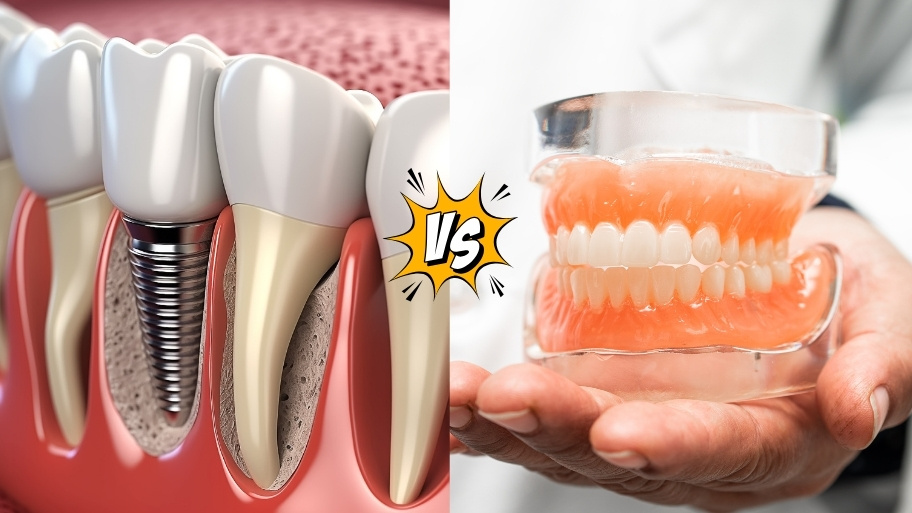
Dental implants vs dentures – a side-by-side comparison of tooth replacement options. Dimples Family Dentistry offers expert care in Norwalk, IA

In this guide, we’ll break down the cost, durability, comfort, and maintenance of dental implants vs dentures, helping you make an informed choice that fits your lifestyle and budget.

💡 Let’s dive in to find out which option is best for your smile!

Dental Implants vs Dentures: Quick Comparison (Pros & Cons)

When replacing missing teeth, two of the most common options are dental implants and dentures—but they work in very different ways.

✔ Dental implants are permanent replacements for teeth surgically placed into the jawbone, acting like natural teeth.

✔ Dentures are prosthetics that are removable that sit on the gums and are a more affordable, non-surgical solution.

Both solutions help restore your smile, but which one is right for you? Below is a quick comparison of cost, comfort, durability, and maintenance to help you decide.

Comparison Table: Dental Implants vs. Dentures

FeatureDental ImplantsDentures
CostHigher upfront cost but lasts longerMore affordable initially, but may need replacements
DurabilityCan survive a lifetime with proper careTypically lasts 5-10 years before needing replacement
Comfort & FitFeels like natural teeth, stays securely in placeMay slip or feel bulky, requires adjustments
Bone HealthHelps prevent bone loss by stimulating the jawboneDoes not stimulate bone, may lead to bone loss over time
MaintenanceRequires regular flossing and brushing like natural teethNeeds daily removal and cleaning
Procedure & RecoverySurgical procedure with healing time requiredNon-invasive, faster solution

Breaking Down the Pros & Cons

Every dental solution has trade-offs, and dental implants vs dentures is no exception. Here’s a closer look at what each offers:

Feature Dental Implants Dentures
Pros ✅ Permanent solution that looks and feels like real teeth
✅ Helps preserve jawbone health
✅ No slipping or discomfort while eating and speaking
✅ More affordable option
✅ Non-invasive with no surgery required
✅ Quick solution for replacing missing teeth
Cons ❌ Requires surgery and healing time
❌ Higher upfront cost
❌ May shift or feel uncomfortable over time
❌ Requires adjustments and replacements every few years
❌ Does not prevent bone loss

Choosing between dental implants vs dentures comes down to your priorities—do you want a permanent, natural-feeling solution, or do you prefer a more affordable and non-surgical option?

💡 Next, let’s go over the key factors that will help you make the best decision.

Key Factors to Consider Before Choosing

Now that we’ve compared dental implants and dentures, let’s take a closer look at what truly matters when making your decision.

While cost, durability, and comfort are important, other factors like maintenance, recovery time, and long-term impact should also be considered.

💰 Cost Breakdown – Short-Term vs. Long-Term Investment

For many, cost is the first consideration when choosing between dental implants and dentures. While dentures have a lower upfront cost, implants offer long-term value because they last longer and require fewer replacements.

However, it’s important to think beyond just the initial cost. With dentures, you may need replacements every 5-10 years, along with periodic adjustments. Implants, on the other hand, rarely need replacement, making them a better long-term investment.

Additionally, insurance coverage varies. Many plans cover dentures but only partially cover implants—so checking your options beforehand can help you plan financially.

💡 Bottom Line:

If you need a lower upfront cost, dentures are a more budget-friendly option.

✔  If you want to avoid future replacements, implants may be a smarter financial decision over time.

🦷 Maintenance & Longevity – What Does Daily Care Look Like?

Both implants and dentures require care, but the level of effort is different.

With dental implants, maintenance is simple—just brush and floss like normal. Since implants are fixed into the jaw, they don’t need special cleaning solutions, adhesives, or removal.

Dentures, however, require daily removal and soaking, along with regular relining to ensure a proper fit. Over time, dentures can wear down or lose their shape, which is why they need replacements every few years.

💡 Bottom Line:

If you prefer hassle-free maintenance, implants are easier to care for.

If you don’t mind extra cleaning routines, dentures can still be a good option.

⏳ Procedure & Healing Time – What to Expect During Recovery

If you’re looking for a fast solution, dentures are ready in just a few weeks. There’s no surgery involved, just impressions, fittings, and adjustments.

With dental implants, the process is longer but permanent. The implant is placed into the jawbone, and it takes around 3-6 months for the bone to heal up and integrate with the implant.

However, once healed, implants function just like natural teeth—without the need for future replacements.

💡 Bottom Line:

Need a quick fix? Dentures can be ready in weeks.

Want a permanent solution? Implants take time but last a lifetime.

How to Choose: Is an Implant or Denture Right for You?

By now, you understand the key differences between dental implants and dentures, as well as the factors that influence cost, maintenance, and recovery. But how do you know which option is best for your specific needs?

Below is a simple decision-making guide to help you make the best choice based on your budget, lifestyle, and health factors.

✅ Choose Dental Implants If…

✔ You want a permanent, long-term solution – Implants can last a lifetime with proper care.

✔ You prefer the most natural look and feel – They function just like real teeth, with no slipping or discomfort.

✔ You don’t want to deal with daily removal and cleaning – Unlike dentures, implants stay in place and require no special maintenance.

✔ You have good jawbone density – Implants require a strong, healthy jawbone for proper support.

✔ You’re okay with a longer treatment process – The implant procedure takes months, but the results are long-lasting.

✔ You want to protect your jawbone – Since implants stimulate bone growth, they help prevent bone loss and facial sagging over time.

✅ Choose Dentures If…

✔ You need a more affordable option – Dentures cost significantly less upfront than implants.

✔ You want a faster solution – Dentures can be ready within weeks, while implants take several months.

✔ You prefer a non-surgical option – Getting dentures is quick, painless, and non-invasive.

✔ You have bone loss or weak jawbone structure – If your jawbone isn’t strong enough for implants, dentures are a great alternative.

✔ You don’t mind regular adjustments and replacements – Dentures need to be relined, adjusted, and replaced over time.

✔ You don’t mind extra maintenance – Dentures must be removed, cleaned daily, and stored properly.

💡 Other Factors to Consider

Age – While both options work for all ages, older adults with weaker jawbones may find dentures to be the better option.

Oral Health – If you have gum disease or other dental conditions, you may need treatment before getting implants or dentures.

Diet & Lifestyle – If you eat hard, chewy, or crunchy foods often, implants offer better stability than dentures.

Comfort Level with Surgery – If you’re uncomfortable with surgical procedures, dentures may be the less stressful option.

FAQ: Answering Common Questions About Dental Implants & Dentures

Still have questions? Here are some of the most common concerns people have when deciding between dental implants and dentures.

❓ Are dental implants better than dentures for older adults?

✔ It depends on overall health, jawbone strength, and lifestyle.
Age itself isn’t a deciding factor—many older adults successfully get dental implants if they have enough healthy jawbone to support them. However, if bone loss has already occurred or if surgery is a concern, dentures may be a more suitable option.

💡 Best for older adults?
If you want a permanent solution and are in good overall health, implants are a great choice.
If you prefer a non-surgical option and need a quicker fix, dentures might be better.

❓ Does insurance cover dental implants?

✔ It depends on the insurance plan.
Most dental insurance covers dentures but may only partially cover implants, as they are often considered an elective procedure rather than a necessity. However, some policies cover parts of the implant process, such as extractions or crowns.

💡 What to do?
Have a chat with your insurance provider to understand what parts of the procedure may be covered under your plan. Ask your dental office about financing plans if implants are not fully covered.

❓ Can I switch from dentures to implants later?

✔ Yes, many people transition from dentures to implants later in life.
If you’ve been wearing dentures but decide you want a more permanent, stable solution, implants are still an option. However, If you’ve been using dentures for a long time, your jawbone may have weakened over time. In some cases, a bone graft might be needed to strengthen the area before implants can be placed.

💡 What to consider?
The longer you wear dentures, the more likely bone loss will affect implant eligibility. Scheduling a dental consultation can help determine whether a bone graft is necessary before transitioning to implants.

❓ How long do dentures last vs. implants?

✔ Implants last longer, but dentures are easier to replace.
Dentures typically last 5-10 years before requiring replacement due to wear, staining, or changes in fit.
Dental implants can go for a lifetime with good care, though the crown—the visible part of the tooth—may require replacement every 10 to 15 years due to wear.

💡 Longevity tip?
Dentures require more frequent replacements, while implants offer a long-term investment.

Why Choose Dimples Family Dentistry for Your Tooth Replacement?

At Dimples Family Dentistry, we provide expert tooth replacement solutions for patients in Norwalk, IA, and surrounding areas.

Whether you need dental implants or dentures, we ensure a comfortable, stress-free experience with:

✔ Advanced, pain-free treatments for natural-looking, lasting results.

✔ Flexible financing & insurance options to fit your budget.

✔ Trusted local care focused on your comfort and long-term oral health.

💡 Ready for a healthier, more confident smile? Schedule your consultation today!

Dr. Ethan Roos D.D.S., DENTIST

ABOUT THE AUTHOR

Dr. Roos was raised in West Des Moines, IA. He attended Valley High School and went to college at Luther College in Decorah, IA. He graduated from the University of Iowa College of Dentistry in 2004. He has attended numerous post-graduate courses in endodontics and orthodontics. He is a member of the American Dental Association, the Iowa Dental Association, and the American Orthodontic Society.

Dr. Roos is married to his wife Sara and they have 6 children. He enjoys spending time with his wife and children, gardening, landscaping, and farming with his cousin on their family farms in Avoca, IA.

Put Your Dental in Good Hands

Schedule your dental appointment today and take a proactive step towards maintaining your oral health! by calling Dimples Family Dentistry in Norwalk, IA, today at (515) 256-1176.

I've been seeing Dr. Ethan Roos at Dimples Dentistry for over 5 years and have always been happy with the care I've received here. The staff has always been very welcoming, as if you are part of the family. I highly recommend!!

Courtney Fick

Called Dimples and wish I called them first. Their receptionist was SO kind and SO helpful. Even offered to call to have my records sent to them in hopes to save me some money from doing x rays again. She was nothing but sweet! Got me scheduled within 2 days. Went above and beyond and was kind when I arrived.

Dan and Sara Carlson

Dr. Roos and his staff are incredibly professional, kind, and knowledgeable. Their pricing is also extremely reasonable, even for those without insurance. We had an excellent experience with a dental emergency exam; they also had availability to fit us in for a routine exam and cleaning after the emergency exam.
Andrea Pabody

Check Out What Others Have To Say About Our Service

Good Dental Hygiene Routine Made Easy: Top Dental Hygiene Tips

Good Dental Hygiene Routine Made Easy: Top Dental Hygiene Tips

Maintaining a good dental hygiene routine doesn’t have to be complicated. Whether you’re looking to prevent cavities, keep your breath fresh, or simply improve your daily habits, simple steps can make a big difference.

If you’ve ever wondered:

✅ What’s the best way to take care of my teeth and gums?
✅ How can I make my daily routine more effective?
✅ What habits actually prevent dental problems?

You’re in the right place!

A woman practicing a good dental hygiene routine with an electric toothbrush. Dimples Family Dentistry in Norwalk, IA provides expert dental care to help patients maintain healthy smiles

At Dimples Family Dentistry in Norwalk, IA, we help patients build strong oral hygiene habits that lead to healthier smiles.

Whether you're in Norwalk or the surrounding areas, following the right dental hygiene tips will ensure your gums and teeth stay in top shape.

In this guide, we’ll break down easy, practical dental hygiene tips that fit into your busy schedule.

With the right approach, you can keep your gums healthy, your teeth strong, and your smile confident—all with simple, proven habits.

Let’s get started! 🚀

Why a Good Dental Hygiene Routine Matters (And How It Benefits You)

Taking care of your teeth isn’t just about keeping them white—it’s about protecting your health, confidence, and long-term well-being.

A good dental hygiene routine prevents problems before they start, saving you from discomfort, costly treatments, and potential health complications.

Beyond a Bright Smile

While fresh breath and clean teeth are great benefits, oral hygiene goes far beyond appearances.

Your mouth is the gateway to your body, and neglecting it can lead to bigger health issues like gum disease, infections, and even conditions linked to heart health and diabetes.

Here’s what happens when dental care is overlooked:


🦷 Gum inflammation can lead to infections that spread to other parts of your body.

🦷 Plaque buildup creates cavities and weakens enamel, leading to sensitivity and pain.

🦷 Untreated oral issues may contribute to more serious health conditions over time.

Are You Overlooking Signs of Poor Dental Hygiene?

A solid dental hygiene routine helps prevent common dental problems, but how do you know if you need to step up your routine? Here are a few warning signs:

🚩 When you floss or brush, do your gums bleed? Healthy gums shouldn’t bleed easily.

🚩 Your teeth feel rough or coated. Plaque buildup can cause a sticky or fuzzy feeling on your teeth.

🚩 You experience tooth sensitivity. This could mean enamel erosion or an underlying issue.

If any of these sound familiar, it might be time to improve your dental care routine.

Next, we’ll walk through a simple, step-by-step routine to keep your teeth and gums in top shape—without making it feel like a chore.

The Easy-to-Follow Daily Routine for Great Dental Hygiene

Now that you know why a good dental hygiene routine matters, let’s break it down into a simple, step-by-step routine that keeps your teeth and gums in top shape.

No complicated techniques—just practical, no-fuss dental hygiene tips you can start using today!

Brushing Done Right: The Simple 2-Minute Trick

Brushing is the foundation of great dental hygiene, but most people either rush it or use the wrong technique. Here’s how to get the most out of those two minutes:

Brush twice a day—once in the morning and once before bed.

Use fluoride toothpaste to strengthen and fortify enamel and prevent cavities.

Tilt your toothbrush at an angle of 45 degrees and move it in soft, circular strokes.

Don’t forget your tongue! Bacteria buildup here can cause bad breath.

Buy a new toothbrush every 3–4 months or sooner if the bristles fray.

🚫 Common Mistakes to Avoid:

❌ Brushing with too much pressure can wear down enamel and irritate gums.

❌ Rushing through it (aim for a full two minutes each time).

❌ Skipping the back teeth (they’re just as important as the front!).

Flossing Without the Hassle: A Step-by-Step Guide

Flossing often feels like a chore, but it’s the only way to remove food and plaque from areas your toothbrush can’t reach. 

If you’ve ever skipped flossing because it feels too difficult or time-consuming, try these easy steps:

1️⃣ Use about 18 inches of floss—wrap it around your fingers, leaving an inch or two to work with.

2️⃣ Gently glide the floss between your teeth—don’t snap it down.

3️⃣ Curve it into aCshape against each tooth and slide it under the gumline.

4️⃣ Move to a clean section of floss as you go to prevent bacteria transfer.

5️⃣ Floss once a day, preferably before bedtime.

💡 Struggling with Flossing? Try These Alternatives!

Water flossers – Great for people with braces or sensitive gums.

Interdental brushes – Small, reusable brushes for cleaning between teeth.

Floss picks – Convenient for on-the-go flossing but not as thorough as string floss.

The Must-Have Oral Hygiene Products You Should Be Using

A good dental hygiene routine isn’t just about brushing and flossing—it’s also about using the right products to keep your mouth healthy. Here’s what actually works:

🔹 Mouthwash – Helps kill bacteria, freshens breath, and reduces plaque. Look for alcohol-free formulas if you have sensitive gums.

🔹 Fluoride Toothpaste – Strengthens enamel and prevents cavities. For those with sensitive teeth, it’s best to skip whitening toothpaste since it can be too harsh on enamel.

🔹 Tongue Scrapers – Remove bacteria and reduce bad breath better than brushing your tongue alone.

🔹 Sugar-Free Gum – Helps stimulate saliva production, which naturally cleans teeth and neutralizes acids.

💡 Pro Tip: Not sure which products are best for you? Our team at Dimples Family Dentistry in Norwalk, IA, can recommend the right options based on your dental needs and lifestyle!

Extra Habits That Improve Your Oral Health (Beyond Brushing & Flossing)

Brushing and flossing are essential, but a truly good dental hygiene routine goes beyond your toothbrush.

The daily choices you make—from what you eat to how you care for your teeth throughout the day—can have a big impact on your oral health.

Here are a few simple, practical habits will keep your teeth and gums in great shape for the long haul.

Daily Habits That Protect Your Teeth

🛑 Stay HydratedKeeping yourself hydrated helps clear away leftover food and harmful bacteria, lowering the chances of plaque forming and keeping your breath fresh. 

Plus, if your tap water contains fluoride, it strengthens enamel and protects against cavities.

🥑 Eat Tooth-Friendly Snacks – Some foods help clean your teeth naturally and support oral health. Instead of sugary snacks, try:

Crunchy fruits and vegetables (apples, carrots, celery) – These act as natural toothbrushes!

Cheese and yogurt – High in calcium, they help fortify teeth and neutralize acids in your mouth.

Nuts and seeds – A good source of minerals that help protect enamel.

🚫 Control Sugar Intake – Sugar fuels the bacteria that cause cavities and gum diseaseReducing sugary foods and drinks—especially sticky candies and sodas—helps prevent plaque buildup and enamel erosion.

Hidden Habits That Damage Your Teeth

🔹 Grinding Your Teeth – Teeth grinding often goes unnoticed, especially during sleep, and can lead to enamel wear over time. If you awake with headaches or jaw pain, speak to your dentist about a nightguard to defend your teeth.

🔹 Frequent Acidic Foods & Drinks – Citrus fruits, soda, and even some sports drinks contain acids that weaken enamel over time. If you enjoy these, rinse your mouth with water afterward and avoid brushing immediately, as brushing right after acid exposure can wear away softened enamel.

🔹 Smoking & Tobacco Use – Not only does smoking stain your teeth, but it also damages gum tissue and grows your risk of gum disease and tooth loss. If quitting feels overwhelming, your dentist can offer guidance and resources to help.

How Often Should You See a Dentist? (And How to Make Visits Stress-Free)

Even with a good dental hygiene routine, regular visits to the dentist are essential for keeping your teeth and gums in top shape. 

But how often should you actually go? And what if dental visits make you anxious?

Let’s break it down so you know exactly when to schedule a checkup and how to make your visits easier and stress-free.

How Often Should You Go for Checkups & Cleanings?

The general rule of thumb is to see a dentist every six months for a routine exam and professional cleaning. But this can vary according to your unique personal needs.

🦷 Twice a year – Ideal for most people to prevent plaque buildup and catch small issues early.

🦷 Every 3-4 months – If you have gum disease or a record of dental problems, your dentist may recommend more frequent visits.

🦷 Once a year (at minimum) – If your oral health is excellent, some dentists may suggest an annual visit, but more frequent checkups are always better.

💡 Not sure what’s right for you? The best way to know is to ask your dentist during your next visit. They’ll recommend a schedule based on your dental history and current health.

When to Call a Dentist ASAP

Regular visits are great for prevention, but some situations require immediate attention. If you experience any of the following, don’t wait—schedule an appointment right away:

🚨 Tooth pain that won’t go away – Persistent pain could indicate a cavity, infection, or nerve issue.

🚨 Swollen or bleeding gums – This can be a sign of gum disease requiring professional treatment.

🚨 Sensitivity to hot or cold – If your teeth suddenly feel sensitive, it might mean enamel erosion or a deeper problem.

🚨 A loose or broken tooth – Adult teeth shouldn’t feel loose—this could mean trauma, infection, or bone loss.

🚨 A filling, crown, or bridge that’s damaged – Leaving it untreated can lead to further complications.

Nervous About the Dentist? Here’s How to Make Visits Stress-Free

If the thought of a dental visit makes you uneasy, you’re not alone. Many people feel anxious about dental care, but there are ways to make the experience much easier:

Choose a welcoming, patient-focused dentist – A compassionate team (like here at Dimples Family Dentistry in Norwalk, IA) makes all the difference.

Communicate your concerns – Let your dentist know if you’re feeling nervous; they can adjust their approach to make you more comfortable.

Bring headphones or listen to calming music – This can help distract you and ease anxiety.

Schedule visits at a time that works for you – Avoid rushing; pick a time when you feel relaxed.

Practice deep breathing – Simple relaxation techniques can make a big difference in managing stress.

💡 Remember: Modern dentistry is designed to be gentle and pain-free, and your dentist’s goal is to keep you comfortable while helping you maintain a healthy smile.

Dr. Ethan Roos D.D.S., DENTIST

ABOUT THE AUTHOR

Dr. Roos was raised in West Des Moines, IA. He attended Valley High School and went to college at Luther College in Decorah, IA. He graduated from the University of Iowa College of Dentistry in 2004. He has attended numerous post-graduate courses in endodontics and orthodontics. He is a member of the American Dental Association, the Iowa Dental Association, and the American Orthodontic Society.

Dr. Roos is married to his wife Sara and they have 6 children. He enjoys spending time with his wife and children, gardening, landscaping, and farming with his cousin on their family farms in Avoca, IA.

Put Your Dental in Good Hands

Schedule your dental appointment today and take a proactive step towards maintaining your oral health! by calling Dimples Family Dentistry in Norwalk, IA, today at (515) 256-1176.

I've been seeing Dr. Ethan Roos at Dimples Dentistry for over 5 years and have always been happy with the care I've received here. The staff has always been very welcoming, as if you are part of the family. I highly recommend!!

Courtney Fick

Called Dimples and wish I called them first. Their receptionist was SO kind and SO helpful. Even offered to call to have my records sent to them in hopes to save me some money from doing x rays again. She was nothing but sweet! Got me scheduled within 2 days. Went above and beyond and was kind when I arrived.

Dan and Sara Carlson

Dr. Roos and his staff are incredibly professional, kind, and knowledgeable. Their pricing is also extremely reasonable, even for those without insurance. We had an excellent experience with a dental emergency exam; they also had availability to fit us in for a routine exam and cleaning after the emergency exam.
Andrea Pabody

Check Out What Others Have To Say About Our Service

How to Treat Gum Disease Quickly and Effectively

How to Treat Gum Disease Quickly and Effectively

Gum disease can be uncomfortable and, if left untreated, lead to serious oral health issues like tooth loss or infections.

The good news? With the right approach, you can stop gum disease in its tracks—and often from the comfort of your own home.

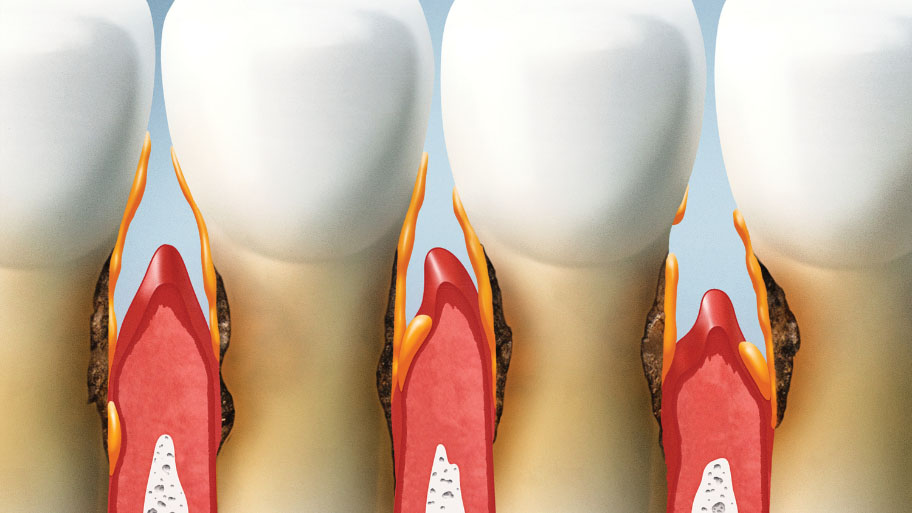
Gum diseases - how to Treat Gum Disease Quickly

If you’re now experiencing symptoms like swollen or bleeding gums, this guide will show you how to treat gum disease at home quickly and effectively.

For more advanced cases, like periodontitis, we’ll explain when it’s time to seek professional care at a trusted local provider, like Dimples Family Dentistry in Norwalk, IA.

By the end of this article, you’ll have practical tips to protect your gums and regain your oral health without unnecessary stress.

What Is Gum Disease?

Gum disease develops when plaque—a sticky layer of bacteria—accumulates on teeth, triggering inflammation and infection in the gums.

The earliest stage, gingivitis, is often marked by red, swollen gums that bleed easily. Fortunately, this stage is reversible with proper care.

When it’s left untreated, gum disease can advance to periodontitis, where bacteria spread below the gum line and damage the bone and tissues that hold your teeth in place. This can lead to serious problems like tooth loss and jawbone deterioration.

Knowing the stages of gum disease can help you take control of your oral health early, preventing complications and ensuring long-term well-being.

Quick and Effective Ways to Treat Gum Disease at Home

These at-home treatments not only help reduce inflammation and fight bacteria but also lay the foundation for healthy gums and teeth.

Here are five highly effective methods to try:

1. Saltwater Rinse

Using a saltwater rinse is a simple and effective way to address gum disease at home. The salt helps reduce swelling, soothe irritated gums, and fight bacteria that cause gingivitis.

How to Use:

  • Dissolve half a teaspoon of salt in a cup of warm water.
  • Rinse your mouth with the solution for around 30 seconds, ensuring it reaches the gum line.
  • Spit it out and avoid swallowing. Repeat this 2–3 times a day.

By keeping harmful bacteria in check, saltwater rinses can prevent gingivitis from worsening into periodontitis.

2. Aloe Vera Gel or Mouthwash

Aloe vera is valued for its natural ability to ease inflammation, making it a great choice for calming irritated and swollen gums. It’s also a natural healer, making it a great option for treating mild gum disease.

How to Use:

  • Gently rub a small amount of pure aloe vera gel onto your gums, focusing on areas that feel tender or swollen.
  • Alternatively, use an aloe vera-based mouthwash twice daily.

Aloe vera is especially beneficial for relieving tender, swollen gums associated with gingivitis.

3. Hydrogen Peroxide Solution

Hydrogen peroxide is a powerful antiseptic that helps kill bacteria and reduce plaque buildup. It’s particularly effective for treating gum inflammation and brightening your teeth.

How to Use:

  • Combine equal amounts of 3% hydrogen peroxide and plain water.
  • Rinse your mouth thoroughly with the solution for about half a minute.
  • Spit it out and rinse your mouth well with clean water.

Be sure not to swallow hydrogen peroxide, and use this remedy only 2–3 times a week to avoid irritation.

4. Oil Pulling (Coconut Oil)

Oil pulling is an ancient, tradditional oral care technique where you move oil around your mouth to reduce bacteria and support gum health. Many people prefer coconut oil because it naturally helps combat germs and supports a clean, fresh feeling.

How to Use:

  • Scoop about a tablespoon of coconut oil—just enough to comfortably swish around.
  • Move the oil around your mouth for 10–15 minutes, making sure it coats all areas of your teeth and gums.
  • Spit the oil into a garbage can to avoid blocking your sink or drains.
  • Follow up by rinsing with warm water and brushing your teeth as usual.

Routine oil pulling can help reduce plaque buildup and thwart the early signs of gum disease.

5. Tea Tree Oil Mouthwash

Tea tree oil is well-known for its ability to combat bacteria and fungi, offering a natural way to support gum health and address issues caused by harmful microbes.

How to Use:

  • Combine a single drop of tea tree oil with a cup of lukewarm water to make a gentle mouthwash.
  • Gently swirl the mixture in your mouth for about half a minute before spitting it out.
  • Limit use to once a day, ensuring the oil is sufficiently diluted to avoid discomfort or irritation.

Its antimicrobial properties help keep your gums healthy and prevent the spread of bacteria.

6. Daily Brushing and Flossing Tips

Correct brushing and flossing are the cornerstone of preventing and managing gum disease. They help remove plaque, the main culprit behind gingivitis and periodontitis.

Brushing Tips:

  • Opt for a gentle-bristled toothbrush to clean your teeth effectively while being kind to your gums.
  • Brush twice daily using small, circular motions, paying extra attention to the gum line.

Flossing Tips:

  • Floss at least once a day to clean between your teeth where your toothbrush can’t reach.
  • Gently glide the floss back and forth to clean between your teeth without causing gum irritation.

Consistent oral hygiene not only prevents gum disease from worsening but also ensures long-term oral health.

When to See a Dentist

If you notice persistent symptoms that don’t improve with at-home care, it’s important to seek professional help.

These signs could indicate advanced gum disease or complications requiring specialized treatment.

Key indicators to watch for include:

  • Gums that bleed frequently, even with gentle brushing or flossing.
  • Ongoing bad breath or a foul taste in your mouth that doesn’t go away.
  • Gums that pull away from your teeth, making them look longer than usual.
  • Loose or shifting teeth.
  • Pain while chewing or sensitivity that doesn’t go away.

Seeking dental care early can help stop gum disease from worsening and causing more harm. If you live in Norwalk, IA, a trusted local provider like Dimples Family Dentistry can assess your condition and recommend the best treatment.

Professional Treatments for Gum Disease

For advanced cases of periodontitis, dentists offer specialized treatments to control the infection and repair damage. Here are some common options:

1. Deep Cleaning (Scaling and Root Planing):

This procedure is done without surgery and involves removing plaque and tartar from both the visible and hidden areas of your gums. 

Scaling clears plaque and tartar buildup from the surface of your teeth, and root planing smooths the roots to encourage the gums to reattach and promote healing.

2. Antimicrobial Therapy:

Dentists may apply antibiotic gels or prescribe oral medications to target the bacteria causing the infection. These treatments work alongside deep cleaning to reduce inflammation and promote recovery.

3. Laser Therapy:

Advanced dental practices, like Dimples Family Dentistry, may use laser treatments to precisely remove infected tissue and promote faster healing.

4. Surgical Options for Severe Periodontitis:

In some cases, procedures like flap surgery or bone grafting may be necessary to address extensive damage.

Professional care focuses on stopping the progression of gum disease and restoring your oral health. Partnering with your dental professional ensures you get the right treatment to protect your oral health and prevent further damage.

Final Takeaway

Taking care of your gums starts with small, daily actions, and home remedies for gum disease can go a long way in managing early symptoms.

From saltwater rinses to proper brushing, these at-home solutions can help maintain your oral health and prevent gingivitis from progressing.

That’s why combining these home treatments with professional advice from a trusted dentist, like here at Dimples Family Dentistry in Norwalk, IA, is essential.

Regular check-ups and early intervention can make all the difference in avoiding long-term damage to your gums and teeth.

By staying proactive and seeking the right care, you can protect your smile for years to come and keep your gums healthy. Don’t wait—take charge of your oral health today!

Dr. Ethan Roos D.D.S., DENTIST

ABOUT THE AUTHOR

Dr. Roos was raised in West Des Moines, IA. He attended Valley High School and went to college at Luther College in Decorah, IA. He graduated from the University of Iowa College of Dentistry in 2004. He has attended numerous post-graduate courses in endodontics and orthodontics. He is a member of the American Dental Association, the Iowa Dental Association, and the American Orthodontic Society.

Dr. Roos is married to his wife Sara and they have 6 children. He enjoys spending time with his wife and children, gardening, landscaping, and farming with his cousin on their family farms in Avoca, IA.

Put Your Dental in Good Hands

Schedule your dental appointment today and take a proactive step towards maintaining your oral health! by calling Dimples Family Dentistry in Norwalk, IA, today at (515) 256-1176.

I've been seeing Dr. Ethan Roos at Dimples Dentistry for over 5 years and have always been happy with the care I've received here. The staff has always been very welcoming, as if you are part of the family. I highly recommend!!

Courtney Fick

Called Dimples and wish I called them first. Their receptionist was SO kind and SO helpful. Even offered to call to have my records sent to them in hopes to save me some money from doing x rays again. She was nothing but sweet! Got me scheduled within 2 days. Went above and beyond and was kind when I arrived.

Dan and Sara Carlson

Dr. Roos and his staff are incredibly professional, kind, and knowledgeable. Their pricing is also extremely reasonable, even for those without insurance. We had an excellent experience with a dental emergency exam; they also had availability to fit us in for a routine exam and cleaning after the emergency exam.
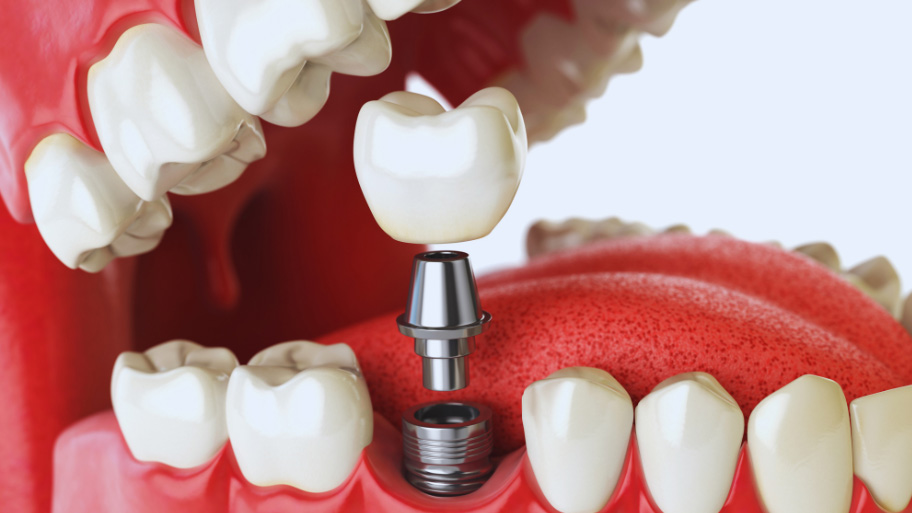
Andrea Pabody

Check Out What Others Have To Say About Our Service

Is Teeth Whitening Worth It? Expect More from Your Results!

Is Teeth Whitening Worth It? Expect More from Your Results!

Wondering if teeth whitening is worth the investment? With the right treatment, the answer is a resounding yes!

Not all whitening options are created equal, and choosing a professional solution can make all the difference.

Woman's Teeth Before And After Whitening - Is Teeth Whitening Worth It

Zoom Teeth Whitening, for instance, offers more than just a brighter smile—it delivers quick, noticeable results that elevate your confidence.

Let’s take a closer look at how teeth whitening works and why Zoom stands out for those wanting a truly radiant smile.

Why Choose Professional Teeth Whitening Over At-Home Kits?

When it comes to achieving a whiter, more even smile, professional teeth whitening has several advantages over at-home kits. 

While at-home products can make some difference, they often lack the sheer strength and precision of treatments done by dental professionals.

Key Benefits of Professional Whitening

Stronger, More Targeted Results: Professional whitening uses higher-concentration agents designed to tackle even stubborn stains. The results are more effective and noticeably brighter in a shorter time.

Customized for Your Teeth: With professional whitening, you’ll receive a treatment plan tailor-made to your specific needs. This custom approach ensures a more consistent, balanced shade across all teeth.

Supervised by Experts: One of the biggest benefits of professional treatments is the guidance of dental professionals. This expertise not only makes the process safer but also minimizes any potential side effects, like tooth sensitivity, while giving you reliable results.

Why Choose Professional Teeth Whitening Over At-Home Kits?

Its unique two-step approach combines an in-office treatment with an at-home kit to help you achieve a brighter smile and maintain it. 

With Zoom, you’re not just getting a whitening treatment; you’re getting a comprehensive, personalized solution designed to make your results last longer.

Is Teeth Whitening Worth It? Key Benefits and Considerations

For many, teeth whitening can be a game-changer, not just for appearance but for confidence, too. Here are some key benefits and a few factors to consider:

Benefits of Teeth Whitening

Enhanced Appearance: Whiter teeth can give your smile a refreshed look, making it appear healthier and more vibrant. Many people find that a whiter smile adds to a youthful appearance, as teeth naturally darken over time.

Boosted Confidence: When you’re confident in your smile, it shows. Whether in social settings or professional environments, feeling good about your smile can make you feel more at ease and approachable.

Considerations for Teeth Whitening

Temporary Sensitivity: Whitening can cause temporary sensitivity, particularly in the hours following treatment. However, this side effect is generally mild and fades quickly.

Maintenance Needed: Like any cosmetic enhancement, whitening isn’t permanent. Diet choices, habits, and oral care routines affect how long the results last, so maintenance treatments or lifestyle changes may be necessary to keep your smile bright.

By weighing these benefits and considerations, you can decide if teeth whitening aligns with your goals for a brighter, more confident smile.

What to Expect During a Zoom Teeth Whitening Treatment

When you choose Zoom Teeth Whitening, you’re opting for a fast, effective process that delivers impressive results. Here’s what you can expect:

In-Office Whitening Session

Your Zoom treatment begins at the dental office, where a protective barrier is placed around your gums to shield them during the whitening process.

A whitening gel with powerful, safe bleaching agents is carefully applied to your teeth. This gel is then activated by a special Zoom light, which breaks down stains and brightens your smile. 

This step typically takes about 15 minutes and may be repeated up to three times, depending on the results you’re looking to achieve.

Personalized At-Home Whitening Kit

After your in-office treatment, you’ll receive a customized at-home kit to extend and maintain your results. This kit includes trays specifically molded to fit your teeth, this make sure for an even application of the whitening gel.

Over the next 7–10 days, you’ll apply the gel at home for a short period each day. This additional step reinforces the in-office results, helping your smile stay bright for months to come.

The combination of in-office and at-home care ensures that Zoom whitening not only delivers a bright, even smile but also keeps it looking radiant long after your initial treatment.

How to Maintain Your Teeth Whitening Results for Longer

After investing in a brighter smile, maintaining those results is key. With a few mindful choices, you can keep your teeth looking their best long after treatment.

Foods and Drinks to Avoid

Certain foods and drinks are commonly known to cause staining. Limiting or avoiding these can help extend your whitening results:

Dark Beverages: Coffee, tea, red wine, and sodas are top culprits. If you enjoy these, consider drinking them using a straw to reduce the contact they make with your teeth.

Colorful Foods: Berries, tomato sauce, and foods with strong artificial coloring can also impact your teeth’s brightness. Opt for lighter-colored alternatives when possible.

Acidic Foods: Citrus fruits and vinegar-based dressings can weaken your enamel, making it more vulnerable to staining over time.

Hygiene and Preventive Care Tips

Having and maintaining a regular oral care routine is essential for keeping your smile bright:

Brush and Floss Daily: Flossing and brushing twice a day daily can remove surface stains and prevent buildup that leads to discoloration.

Regular Dental Checkups: Professional cleanings every six months help remove stains that daily brushing can’t, keeping your smile fresh and polished.

Consider Touch-Up Treatments: To maintain optimal brightness, touch-up treatments with your at-home whitening kit can refresh your results when needed.

With these easy steps, you’ll be able to enjoy the effects of your teeth whitening for much longer, making the most of your radiant smile.

How Long Does Zoom Teeth Whitening Last?

Zoom Teeth Whitening offers results that can last several months to a year or more, depending on your lifestyle and oral care habits. 

While the initial results are sparkling, maintaining that brightness depends on a few factors:

Diet and Beverage Choices

Regularly consuming stain-causing foods or drinks like coffee, red wine, or tea will influence how long the whitening results last.

Limiting these or following the tips from the previous section can make a noticeable difference.

Oral Hygiene Practices

Consistent brushing, flossing, and regular dental checkups keep your teeth in top condition, helping preserve the whitening effects for longer.

Touch-Up Treatments

Many people find that periodic touch-ups with an at-home kit can help extend the life of their whitening results, allowing them to enjoy a bright smile well beyond the initial treatment.

On average, Zoom whitening lasts anywhere from 6 to 12 months, with some seeing longer-lasting results through diligent care. Following these few simple steps can ensure your smile stays radiant, giving you more value from each treatment.

Final Thoughts: Is Zoom Teeth Whitening Worth It?

When it comes to achieving a brighter, more confident smile, Zoom Teeth Whitening stands out for its efficiency, effectiveness, and lasting impact. 

This treatment offers a way to erase years of stains and enjoy a refreshed smile without the waiting or inconsistency of at-home options. 

For those ready to invest in a smile transformation, the benefits of professional whitening speak for themselves.

Discover Your Brightest Smile at Dimples Family Dentistry

Zoom Teeth Whitening at Dimples Family Dentistry is tailored to deliver results you can see and feel. If you’re ready to experience a whiter, radiant smile, our team is here to help. 

Book a consultation today and take the first step toward the confidence that comes with a stunning smile that lasts!

Dr. Ethan Roos D.D.S., DENTIST

ABOUT THE AUTHOR

Dr. Roos was raised in West Des Moines, IA. He attended Valley High School and went to college at Luther College in Decorah, IA. He graduated from the University of Iowa College of Dentistry in 2004. He has attended numerous post-graduate courses in endodontics and orthodontics. He is a member of the American Dental Association, the Iowa Dental Association, and the American Orthodontic Society.

Dr. Roos is married to his wife Sara and they have 6 children. He enjoys spending time with his wife and children, gardening, landscaping, and farming with his cousin on their family farms in Avoca, IA.

Put Your Dental in Good Hands

Schedule your dental appointment today and take a proactive step towards maintaining your oral health! by calling Dimples Family Dentistry in Norwalk, IA, today at (515) 256-1176.

I've been seeing Dr. Ethan Roos at Dimples Dentistry for over 5 years and have always been happy with the care I've received here. The staff has always been very welcoming, as if you are part of the family. I highly recommend!!

Courtney Fick

Called Dimples and wish I called them first. Their receptionist was SO kind and SO helpful. Even offered to call to have my records sent to them in hopes to save me some money from doing x rays again. She was nothing but sweet! Got me scheduled within 2 days. Went above and beyond and was kind when I arrived.

Dan and Sara Carlson

Dr. Roos and his staff are incredibly professional, kind, and knowledgeable. Their pricing is also extremely reasonable, even for those without insurance. We had an excellent experience with a dental emergency exam; they also had availability to fit us in for a routine exam and cleaning after the emergency exam.
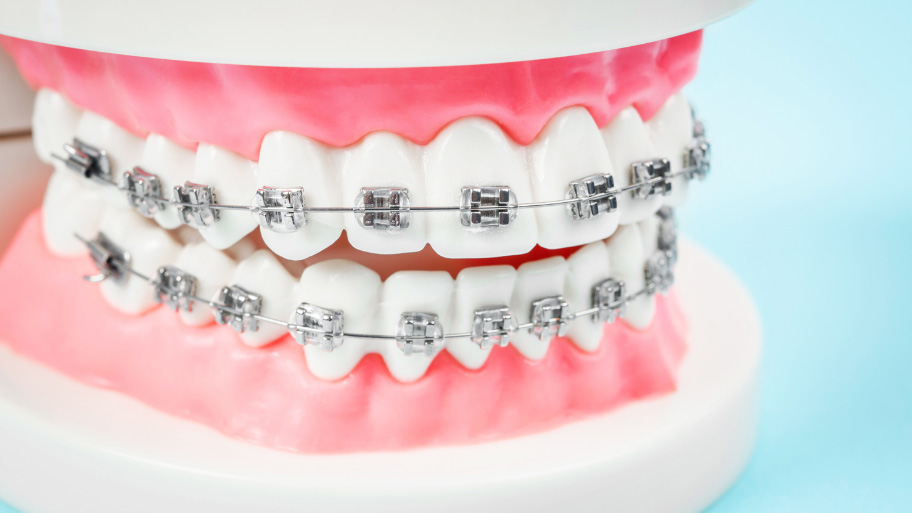
Andrea Pabody

Check Out What Others Have To Say About Our Service

Are Dental Implants Really Worth It? Here’s What You Need to Know

Are Dental Implants Really Worth It? Here’s What You Need to Know

Understanding Dental Implants

What Are Dental Implants?

Imagine a solution that not only fills the gap of a missing tooth but also feels like it belongs there. Dental implants do just that. 

Comprising a titanium post that serves as a new root and a crown that matches your smile, they offer a natural look and function. With a success rate over 98%, many wonder: are dental implants really worth it?

For those seeking a dependable, long-lasting option, dental implants can restore your confidence and let you enjoy your favorite foods without worry.

How Are Dental Implants Placed?

Getting dental implants starts with a friendly chat with your dentist, who will evaluate your mouth to see if you’re a good candidate. 

If you are, the actual procedure involves placing that titanium post into your jawbone—a key step that helps your new tooth feel secure and stable. 

Don’t worry; most patients find the process comfortable, thanks to effective anesthesia and modern techniques.

Common Myths About Dental Implants

You might have heard some myths that make you hesitate. For instance, some believe that dental implants are excruciatingly painful.

In reality, most people experience only mild discomfort during recovery. Another common myth is that implants are only for older adults.

The truth? As long as you have a healthy jawbone, dental implants can work for you, no matter your age.

Up next, we’ll delve into the significant benefits of opting for implants, showing you why they might be the perfect fit for your smile.

Pros of Dental Implants: Reasons to Consider Them

If you’re weighing your options, dental implants offer several compelling advantages that make them stand out. Here are some key reasons to consider them:

1. Look and Feel Like Natural Teeth

Imagine having a smile that’s not only beautiful but also indistinguishable from your natural teeth. That’s what dental implants offer. 

Custom-designed to blend perfectly with your existing teeth, they restore your confidence to smile freely. 

Many who have made the switch to implants rave about how natural they feel, allowing them to engage in life’s moments without self-consciousness

2. Long-lasting Solution

Dental implants are designed to be a permanent solution for tooth loss. 

With proper care, including regular dental visits and good oral hygiene, they can last a lifetime, unlike dentures that typically require replacement every 5 to 10 years. 

This durability makes them a cost-effective choice in the long run.

3. Improved Functionality for Eating

Have you ever found yourself missing out on your favorite meals? With dental implants, you can bite into crisp apples or enjoy a hearty steak without hesitation. 

They perform just like your natural teeth, offering the stability and comfort that dentures often lack. You can relish every bite, confident that your implants will hold up beautifully.

4. Prevent Bone Loss and Maintain Facial Structure

Losing a tooth can result in jawbone deterioration, which may gradually change the shape of your face. 

Unlike other tooth replacement options, dental implants uniquely stimulate the jawbone, encouraging it to retain its strength and density. 

This process not only keeps your smile intact but also plays a vital role in maintaining your youthful appearance.

5. Easy Maintenance and Care

Caring for dental implants is straightforward. They require the same attention as your natural teeth—brushing, flossing, and regular dental check-ups. 

There’s no need for special cleaning solutions or adhesives, making them an easy and convenient option for tooth replacement.

Cons of Dental Implants: What to Be Aware Of

While dental implants offer numerous advantages, it’s important to consider some potential drawbacks before making your decision. Here are key factors to keep in mind:

1. Cost Considerations

One of the first things many people notice is the price tag associated with dental implants. 

The initial investment can be significant, often ranging from $3,000 to $7,000 for a single implant, depending on various factors such as location and the expertise of the dentist. 

While they may seem costly upfront, it’s essential to weigh this against their long-term durability and benefits. Over time, implants may actually prove to be more economical compared to other options that require frequent replacements.

2. Health Requirements for Candidates

Dental implants aren’t for everyone. To qualify, maintaining good oral health is essential. 

Conditions like gum disease or a lack of bone density can create challenges during the process. Additionally, individuals with chronic health concerns, such as poorly managed diabetes or heart problems, may encounter higher risks during the surgical procedure. 

That’s why it’s important to have a comprehensive assessment by your dentist to see if you meet the criteria for getting implants.

3. Surgical Procedure and Recovery Time

The dental implant process involves surgery, which can be intimidating for some. 

The procedure typically requires multiple appointments, including initial consultations, the surgical placement of the implant, and follow-up visits for monitoring. 

Recovery can vary from person to person, but it may take several months for the implant to fully integrate with the jawbone. During this time, you might experience some discomfort or swelling, which is part of the healing process.

4. Potential Risks and Complications

As with any surgical procedure, there are inherent risks involved with dental implants. While complications are rare, they can include infection, nerve damage, or even implant failure in some cases.

 Being informed about these potential risks can help you make a more educated decision about whether dental implants are the right choice for you.

Are You a Candidate for Dental Implants?

Who Can Get Dental Implants?

You may be curious if you qualify for this procedure. Typically, ideal candidates have healthy gums and enough jawbone to secure the implants. 

Interestingly, age isn’t a significant barrier—adults, regardless of age, can benefit from implants as long as their jawbone is fully formed.

Factors Influencing Candidacy

Several key factors play a role in determining your suitability for dental implants:

1. Chronic Health Conditions

Your overall health matters more than you might think. Conditions like poorly managed diabetes or autoimmune disorders can complicate healing. 

However, if you’re in good health and have your conditions under control, you’re likely a strong candidate.

2. Lifestyle Choices

The decisions you make in your day-to-day life can influence the outcome of dental implants. Smoking or heavy drinking can hinder the healing process and raise the risk of complications. 

By adopting healthier habits, you can significantly boost the chances of successful healing and long-term results with your implants.

3. Commitment to Oral Care

Finally, being proactive about your oral hygiene is essential. Regular dental check-ups and maintaining good brushing and flossing habits will help ensure your implants thrive.

In the next section, we’ll explore the benefits of implants to help you make an informed choice.

Final Thoughts: Making the Right Decision

Dental implants can be a life-changing choice, giving you back the confidence and comfort of a complete smile. They’re designed to last, and as we’ve covered, they offer a natural look and feel that enhances your daily life. 

However, it’s important to remember the factors discussed earlier, such as your overall health and lifestyle habits, to ensure the best outcome.

If you’re ready to explore whether dental implants are the right solution for you, now is the perfect time to take action. 

At Dimples Dental, we specialize in providing tailored dental implant treatments designed to meet your unique needs. Our team is here to guide you through every step, from consultation to completion.

Ready to restore your smile? Visit our Dental Implants page to learn more or schedule your consultation today!

Dr. Ethan Roos D.D.S., DENTIST

ABOUT THE AUTHOR

Dr. Roos was raised in West Des Moines, IA. He attended Valley High School and went to college at Luther College in Decorah, IA. He graduated from the University of Iowa College of Dentistry in 2004. He has attended numerous post-graduate courses in endodontics and orthodontics. He is a member of the American Dental Association, the Iowa Dental Association, and the American Orthodontic Society.

Dr. Roos is married to his wife Sara and they have 6 children. He enjoys spending time with his wife and children, gardening, landscaping, and farming with his cousin on their family farms in Avoca, IA.

Put Your Dental in Good Hands

Schedule your dental appointment today and take a proactive step towards maintaining your oral health! by calling Dimples Family Dentistry in Norwalk, IA, today at (515) 256-1176.

I've been seeing Dr. Ethan Roos at Dimples Dentistry for over 5 years and have always been happy with the care I've received here. The staff has always been very welcoming, as if you are part of the family. I highly recommend!!

Courtney Fick

Called Dimples and wish I called them first. Their receptionist was SO kind and SO helpful. Even offered to call to have my records sent to them in hopes to save me some money from doing x rays again. She was nothing but sweet! Got me scheduled within 2 days. Went above and beyond and was kind when I arrived.

Dan and Sara Carlson

Dr. Roos and his staff are incredibly professional, kind, and knowledgeable. Their pricing is also extremely reasonable, even for those without insurance. We had an excellent experience with a dental emergency exam; they also had availability to fit us in for a routine exam and cleaning after the emergency exam.

Andrea Pabody

Check Out What Others Have To Say About Our Service