
Gum Disease Treatment in Norwalk, IA
Save your gums from gum disease
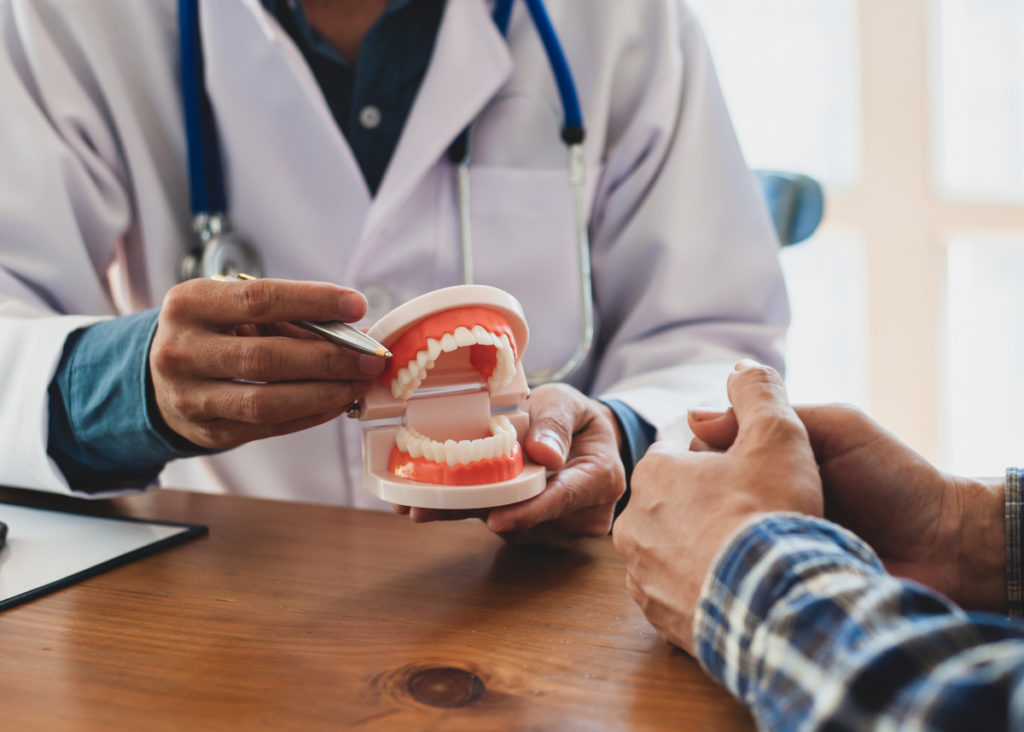
Benefits of Gum Disease Treatment
- Effective and Quick Results
- Customized Treatment
- Long-Lasting Results
- Boost in Confidence
Worried About Gum Disease? Catch It Early for a Healthier Smile
Gum disease is more common—and more serious—than many people think. It’s actually the #1 cause of tooth loss in adults. But the good news is, it’s treatable, especially if you catch it early.
You might have early gum disease if you notice:
At Dimples Family Dentistry in Norwalk, IA, our friendly team is here to help you stop gum disease before it gets serious.
We believe in prevention first—regular checkups, gentle cleanings, and tips you can use at home.
But if you’re already seeing warning signs, don’t worry. Early treatment can make all the difference. Acting now protects your smile, your health, and your confidence.
Ready for peace of mind? Book your gum health visit today or call us with your questions.
What Is Gum Disease?
Gum disease is a progressive infection affecting the soft tissues that support your teeth. It begins when harmful bacteria collect along the gumline.
Over time, these bacteria can work their way below the surface and harden into plaque and tartar around the tooth roots, leading to irritation and infection.
As gum disease advances, it can cause significant damage. Without early care, you may start to experience:
While implants can help rebuild your smile after tooth loss, early Gum Disease Treatment is the best way to prevent this progression altogether.
The Risks of Ignoring It
Gum disease tends to move forward slowly and silently, so many people don’t notice it right away. You may lose a tooth without realizing the infection is spreading—until more damage begins to follow.
When gum disease is left untreated, it doesn’t slow down. It continues to break down the soft tissue and bone that support your teeth, eventually leaving your smile weakened and difficult to restore.
It Affects More Than Your Smile
Advanced gum disease also contributes to inflammation throughout the body. Research shows it is associated with a higher risk of developing serious health conditions, including:
This is why timely Gum Disease Treatment is about more than protecting your teeth—it’s also a meaningful step toward supporting your overall health and quality of life.
Frequently Asked Questions About Gum Disease Treatment
The first signs of gum disease are usually subtle, but catching them early makes a big difference. Look out for:
- Gums that bleed when brushing or flossing
- Gums that are red, swollen, or tender
- Persistent bad breath that doesn’t improve with regular brushing
- Gums pulling back from the teeth, making them look slightly longer
Many people overlook these signals, but noticing them early can help you seek care before the disease advances.
At Dimples Family Dentistry, our team checks for these signs during routine exams and cleanings to help protect your long-term oral health.
Gum disease does not typically go away on its own, especially once it moves beyond the earliest stage. While excellent daily hygiene can help reverse very mild gum irritation, professional dental treatment is usually required for true gum disease.
If plaque and tartar have built up below the gumline, a procedure called scaling and root planing (deep cleaning) is often recommended to remove the buildup and support healing. That’s why it’s important to get regular dental checkups and cleanings.
Gingivitis and periodontitis represent different levels of gum disease:
- Gingivitis: The earliest stage, where gums may bleed or appear red but deeper tissues are still healthy.
- Periodontitis: A more advanced stage, with infection that can damage the bone and other structures supporting the teeth.
Early detection of gingivitis makes treatment much easier, so routine exams and preventive care are key.
Gum disease tends to progress gradually over time and often without obvious pain in the early stages. What starts as mild inflammation can develop into a deeper infection if not addressed.
As the disease progresses, you may experience:
- Persistent gum tenderness or swelling
- Spaces can form as the gums detach, letting bacteria settle deeper than normal
- Loss of gum tissue and bone support
- Teeth becoming loose or shifting position
That’s why early identification and timely treatment—including regular dental cleanings and exams—are so important for protecting your oral health.
Yes, gum disease is one of the most common dental problems in adults—both in Iowa and throughout the U.S.
Many adults experience some degree of gum inflammation or infection at some point, usually due to:
- Plaque buildup from inconsistent brushing or flossing
- Skipping regular dental visits
- Smoking or other lifestyle factors
Because gum disease can usually be prevented or managed with proper care, staying on top of dental checkups and cleanings is especially important.
Dimples Family Dentistry emphasizes prevention and early care as part of its routine services.
At Dimples Family Dentistry, gum disease is typically treated with professional dental cleanings and a procedure called scaling and root planing (deep cleaning).
The specific treatment depends on how advanced the condition is.
Treatment options may include:
- Regular dental cleanings for early-stage gum disease (gingivitis)
- Scaling and root planing: A deep cleaning method that clears away buildup beneath the gums and smooths the root surfaces, allowing the tissues to recover.
Our team prioritizes early detection and preventive care, tailoring treatments to meet your specific needs during your visit.
Most patients find scaling and root planing more comfortable than expected.
The dentist or hygienist may numb the area with a local anesthetic to minimize any discomfort.
You may feel:
- Mild pressure or scraping sensations during the procedure
- Soreness or sensitivity for a short time afterward
Your comfort is a priority, and the team will check in with you during the visit to ensure the experience is as gentle as possible.
The time it takes for gum disease treatment to show results depends on the severity of the condition and how effectively you follow the care guidelines provided by your dentist.
Typically:
- Early-stage gum problems (gingivitis) can improve within a few weeks of treatment and good oral hygiene
- More advanced gum disease may require several appointments and ongoing follow-up care
Regular checkups and cleanings help ensure your gums heal and stay healthy over time.
In some cases, gum disease treatment can help stabilize a loose tooth if the problem is caught early enough. The goal of treatment is to stop the infection and help the gums and bone heal, which can improve the stability of teeth.
However:
- Severely loose teeth may not always be able to be saved if too much support has been lost
- Early intervention gives you the best chance of keeping your natural teeth
If you feel that your teeth have become loose or are shifting position, it’s crucial to book an appointment with us as soon as possible.
Early evaluation can help identify the cause and prevent more serious dental issues from developing.
Gum disease treatment can help stop further gum recession and improve gum health, but lost gum tissue does not typically grow back on its own.
The primary focus of gum disease treatment is to stop the progression of the condition and protect the supporting tissues from further harm.
After treatment:
- Gums may look healthier and less swollen
- By practicing consistent oral care and keeping up with regular dental checkups, you can help prevent further gum recession and maintain healthier gums.
If gum recession is significant, your dentist can discuss possible restorative options to improve appearance and health.
Dry, cold Iowa winters can sometimes make gum disease symptoms more noticeable or uncomfortable.
Indoor heating and the dry, cold air typical of winter can contribute to dry mouth, which may lead to increased gum sensitivity and irritation.
You might notice:
- Gums feeling more sensitive or sore
- Increased dryness or a sticky feeling in your mouth
- Bad breath that is harder to control
Staying hydrated and maintaining regular oral care can help minimize these effects during the winter months.
Yes, seasonal allergies can sometimes cause gum discomfort.
Allergic reactions may lead to mouth breathing,4 increased dryness, and inflammation, which can make your gums feel swollen or irritated.
To help reduce symptoms:
- Try to manage allergies with your doctor’s advice
- Brush and floss regularly to remove allergens and plaque
- Staying hydrated by drinking water regularly helps prevent dry mouth, which can make your gums feel irritated
If gum swelling persists, it’s a good idea to schedule a dental checkup.
Gum disease can sometimes worsen during cold and flu season.
When you’re sick, it’s common to pay less attention to oral hygiene, and certain medications may dry out your mouth.
To help prevent flare-ups:
- Continue brushing and flossing, even if you’re not feeling well
- Drink water regularly to reduce dry mouth
- Replace your toothbrush after being sick
Maintaining your dental care routine during illness helps protect your gums year-round.
It’s a good idea to address any gum disease concerns before the busy holiday season.
The holidays often bring changes in routine, more sweets, and sometimes delays in scheduling appointments.
Benefits of early treatment include:
- Healthier gums before seasonal gatherings and events
- Less risk of discomfort during travel or celebrations
- Flexible appointment times before the holiday rush
If it’s been a while since your last visit, planning your appointment early helps ensure a smooth, stress-free holiday season.
The cost of treating gum disease isn’t the same for everyone, because it’s based on how far the condition has progressed and what type of care your gums need.
At Dimples Family Dentistry, your dentist will discuss all recommended treatments and fees before starting any procedure.
- Early-stage treatment (like routine cleanings) is usually less expensive
- Deep cleanings (scaling and root planing) or follow-up care may have higher costs
For personalized cost information, it’s best to schedule an evaluation so you can receive a treatment plan tailored to your needs.
Dental insurance often includes some level of coverage for gum disease treatment, including deep cleanings, but the amount covered can differ depending on your specific plan and benefits.
Most insurers classify periodontal care as essential treatment, though the percentage they cover can vary.
To get the most accurate information:
- Review your dental insurance benefits
- Contact your insurance provider directly
- Ask the Dimples Family Dentistry team for help verifying your coverage before treatment
The team at Dimples Family Dentistry can review your benefits with you and help clarify anything you’re unsure about regarding insurance.
The frequency of follow-up appointments depends on how severe your gum disease is and how well your gums respond to treatment.
In most cases:
- Patients with early-stage gum disease may return every 6 months for routine cleanings
- More advanced cases may require visits every 3–4 months for ongoing care and monitoring
Your dentist will recommend a schedule that fits your specific needs to help keep your gums healthy.
Studies show that gum disease is often found alongside systemic conditions such as heart disease and diabetes.
Taking care of your gum health is an important part of supporting your overall wellness.
Gum disease is:
- Associated with increased risk of cardiovascular problems
- Linked to greater difficulty controlling blood sugar in people with diabetes
Taking care of your gums is an important part of maintaining a healthy body.
Using tobacco in any form—including smoking, vaping, or chewing—raises your chances of developing gum disease and can slow down your recovery if you already have it.
Tobacco can:
- Reduce blood flow to your gums, slowing healing
- Increase plaque buildup and infection risk
- Lead to more severe gum problems over time
Quitting tobacco use is one of the best steps you can take for healthier gums and a brighter smile.
Maintaining healthy gums at home is an important part of preventing gum disease from returning.
Simple daily habits make a big difference:
- Clean your teeth morning and night using a toothpaste that contains fluoride
- Floss every day to clean between your teeth and along the gumline
- Choose nutritious meals and try to avoid frequent snacking on sweets
- Schedule routine appointments with your dental team for thorough exams and expert cleanings
Your dentist can provide additional personalized tips based on your unique needs.
Put Your Dental in Good Hands
I've been seeing Dr. Ethan Roos at Dimples Dentistry for over 5 years and have always been happy with the care I've received here. The staff has always been very welcoming, as if you are part of the family. I highly recommend!!

Called Dimples and wish I called them first. Their receptionist was SO kind and SO helpful. Even offered to call to have my records sent to them in hopes to save me some money from doing x rays again. She was nothing but sweet! Got me scheduled within 2 days. Went above and beyond and was kind when I arrived.
Dr. Roos and his staff are incredibly professional, kind, and knowledgeable. Their pricing is also extremely reasonable, even for those without insurance. We had an excellent experience with a dental emergency exam; they also had availability to fit us in for a routine exam and cleaning after the emergency exam.