
Bruxism Treatment in Norwalk, IA
Stop teeth from grinding together
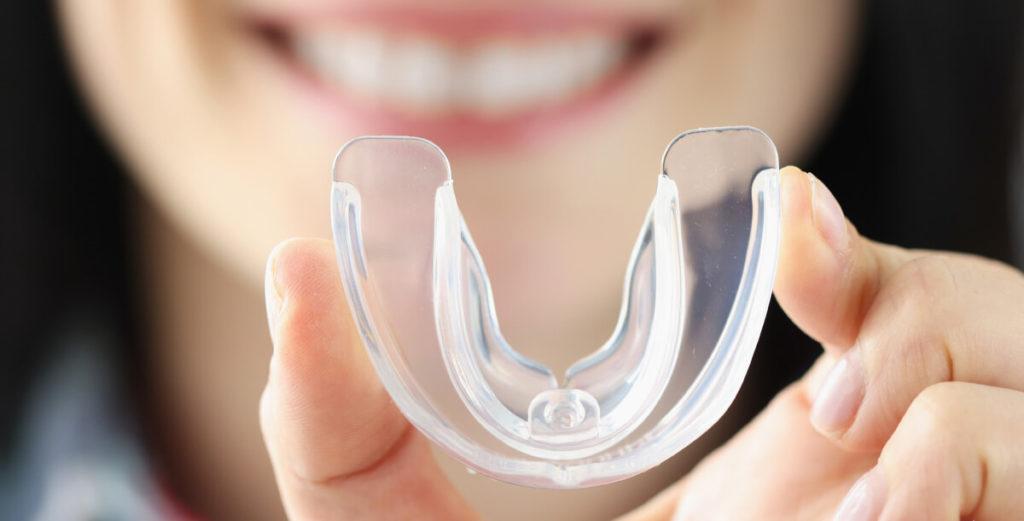
Benefits of Bruxism Treatment
- Prevention of Tooth Damage
- Relief from Jaw Discomfort and TMJ Disorders
- Improved Sleep Quality
- Preservation of Dental Work
Protect Your Smile and Stop Teeth Grinding
Do you often wake up with jaw soreness or notice your teeth feel sore after a night’s rest?
You could be dealing with teeth grinding (bruxism), a common issue that many people don’t even realize they have.
At Dimples Family Dentistry in Norwalk, IA, we want to help you address bruxism early to avoid long-term damage.
Untreated bruxism can lead to:
We often spot the early signs of bruxism during your regular checkups—like worn enamel—so we can help you prevent further damage before it gets worse.
What we can do for you:
- Thorough evaluation to diagnose bruxism
- Custom mouthguards to prevent grinding while you sleep
- Restorative treatments (like crowns or bridges) if damage has already occurred
If bruxism is affecting your smile, don’t wait! Call today to schedule your consultation and protect your teeth for the future.
How Does Bruxism Develop?
Bruxism can occur for various reasons, often influenced by the alignment of your teeth and the structure of your jaw.
Some of the most common causes include:
- Misaligned Teeth: When your teeth are not aligned the right way, it can create uneven pressure on your jaw, which may lead to grinding or clenching during the night as your mouth tries to adjust to the misalignment.
- TMJ Disorders (Jaw Joint Dysfunction): Dysfunction in the temporomandibular joint (TMJ) can lead to pain, spasms, and involuntary clenching or grinding.
- Stress and Anxiety: Emotional stress or anxiety can cause muscle tension, often leading to unconscious teeth grinding, especially during sleep.
- Unconscious Habits: Habits like jaw clenching during the day or poor posture can contribute to bruxism, often worsening the issue at night.
Bruxism can arise from various factors, so the first step in effective treatment is pinpointing the specific cause in each individual case.
Tailored Treatment Plan
Once we understand the underlying cause of your bruxism, we’ll create a customized treatment strategy designed to address your specific needs.
Your treatment may include:
- Orthodontic Treatment: To align your teeth properly and enhance your bite, which helps alleviate grinding and ease jaw strain.
- Custom Mouthguards: A night guard or other dental appliances to reduce the grinding pressure while you sleep and protect your teeth.
- Restorative Treatments: If your teeth have already been damaged, we offer crowns, bridges, or other restorative options to restore and protect your smile.
If you suspect you might be experiencing bruxism, it’s important to address it early before more damage occurs.
Contact us today to schedule an evaluation and get started on a treatment plan tailored to your needs!
How a Bruxism Nightguard Protects Your Teeth
Bruxism can lead to tooth wear, jaw strain, and disrupted sleep—often without you even realizing it.
A custom nightguard is an essential tool to prevent further damage and protect your smile.
At Dimples Family Dentistry, we use advanced digital imaging to create precise, comfortable nightguards tailored to your mouth.
Worn during sleep, they help to:
- Prevent further tooth damage caused by grinding
- Relieve jaw tension by reducing strain on your jaw joints and muscles
- Enhance sleep quality by minimizing interruptions caused by clenching and grinding at night
If bruxism has already caused some damage to your teeth, restorative treatments such as crowns or bridges may be recommended to restore your bite.
Protect your smile today—contact us to schedule an appointment and learn how a custom nightguard can help you avoid further damage from bruxism.
Frequently Asked Questions About Bruxism Treatment
Bruxism refers to the unconscious clenching of your teeth, often taking place while you sleep.
If left untreated, this condition can gradually cause serious harm to your teeth, jaw joints, and muscles.
Some of the typical signs that indicate you may have bruxism include:
- Jaw soreness when waking up
- Teeth feeling worn or sensitive
- Headaches or pain around the temples
- Noticeable tooth wear or cracked teeth
Some people may not realize they have bruxism, as it often happens during sleep. However, a dentist can identify signs like worn-down enamel or tooth sensitivity during a routine checkup.
If you’re experiencing discomfort in your jaw or teeth, it’s essential to plan an appointment with a dentist at Dimples Family Dentistry to get a proper diagnosis.
Cold winter months in Iowa can sometimes exacerbate bruxism, particularly because the body tends to experience more muscle tension due to lower temperatures.
The body’s natural reaction to stress, discomfort, or cold can result in clenching of the jaw as a subconscious coping mechanism. Additionally, the darker, colder months can increase levels of stress and anxiety, which are noteworthy contributors to teeth grinding.
Some tips for managing bruxism during colder months include:
- Wearing a nightguard to protect your teeth
- Practicing stress-relieving techniques, like meditation or deep breathing
- Staying warm and comfortable to reduce physical tension
If you live in Iowa, it’s important to stay mindful of the signs of bruxism during the winter months, as the cold may aggravate the symptoms.
At Dimples Family Dentistry, we offer nightguards that are tailored to your needs to help prevent damage caused by grinding during sleep.
Yes, misaligned teeth (or malocclusion) can contribute to bruxism. When your teeth don’t come together correctly, it can create inconsistent pressure on your jaw when you chew or sleep.
This imbalance can lead to the subconscious grinding or clenching of teeth, as your mouth tries to compensate for the misalignment.
If misalignment is contributing to your bruxism, potential treatments include:
- Orthodontic care to correct the alignment and reduce grinding
- Dental evaluations to see if your bite can be improved
At Dimples Family Dentistry, we can evaluate your bite during a regular checkup and recommend orthodontic treatment if necessary to correct the alignment.
Proper alignment can reduce the risk of teeth grinding and alleviate the pressure on your jaw and teeth. If you’re experiencing symptoms like jaw pain or worn teeth, it’s best to schedule a consultation.
A nightguard, also known as an oral appliance, is one of the most effective treatments for bruxism.
These custom-fitted devices are worn while you sleep to safeguard your teeth from the harmful results of grinding and clenching. A nightguard helps to:
- Prevent further tooth damage from grinding
- Relieve jaw tension by reducing strain on your jaw joints and muscles
- Improve sleep quality by decreasing disturbances caused by teeth grinding
At Dimples Family Dentistry, we use advanced digital imaging to create custom nightguards that fit comfortably and effectively. They are designed specifically for your mouth to ensure maximum protection and comfort.
If you’ve been experiencing symptoms of bruxism, such as tooth wear or jaw soreness, a nightguard could be the solution you need to stop further damage.
If your teeth have already been damaged due to bruxism, it’s important to address the issue promptly to restore both function and appearance.
Restorative treatments like crowns or bridges may be necessary to rebuild and protect the damaged teeth.
Our restorative treatments can help by:
- Crowning damaged teeth to restore strength and shape
- Using bridges to replace missing teeth, ensuring proper alignment and function
At Dimples Family Dentistry, our team can assess the scope of the damage and recommend the best treatment choices to restore your smile and prevent further problems.
We’ll work with you to develop a plan that’s right for your dental health and overall well-being.
Bruxism can put a significant strain on your jaw joints and muscles, leading to various symptoms and discomfort. The constant grinding or clenching can cause:
- Jaw pain or stiffness, especially during the morning
- TMJ (temporomandibular joint) disorders, leading to clicking or popping sounds in the jaw
- Muscle fatigue in the face and jaw, which can worsen over time
- Headaches or tension in the temples
If you’re experiencing any of these symptoms, it’s essential to seek treatment.
A nightguard or oral appliance can help reduce the pressure and alleviate the strain on your jaw and muscles, providing significant relief over time.
At Dimples Family Dentistry, we evaluate your symptoms and suggest a treatment plan tailored to your needs.
Preventing long-term damage from bruxism requires early intervention and consistent management. Here are some effective strategies to help protect your teeth:
- Wear a custom nightguard: This will act as a protective barrier to prevent tooth wear and alleviate jaw pressure during sleep.
- Manage stress: Stress and anxiety are key contributors to bruxism, so practicing relaxation techniques like deep breathing or meditation can help reduce grinding.
- Maintain good sleep hygiene: Ensuring you get a restful night’s sleep can minimize stress and prevent night-time grinding.
- Address any bite misalignments: Orthodontic treatments, such as braces, can help enhance your bite and reduce grinding caused by misaligned teeth.
At Dimples Family Dentistry, we offer personalized solutions like nightguards and orthodontic treatments to help prevent the long-term effects of bruxism on your teeth.
Yes, stress is a significant contributor to bruxism, and it can make the condition worse. When you’re stressed, your body tends to hold tension, which can manifest in the form of jaw clenching or teeth grinding, especially while you sleep.
Common ways stress worsens bruxism include:
- Increased muscle strain in the jaw and face
- Subconscious grinding during sleep due to stress or anxiety
- Difficulty relaxing at night, leading to more grinding
To help manage stress and reduce bruxism symptoms, consider practices such as:
- Stress-relieving exercises, like yoga or meditation
- Regular physical activity to reduce overall tension
- Relaxation strategies before bed to promote better sleep
At Dimples Family Dentistry, we can help by recommending nightguards that protect your teeth and jaw during stressful times.
If stress is a significant factor in your bruxism, addressing it through lifestyle changes and dental care can significantly improve your condition.
The effectiveness of a nightguard for bruxism can vary depending on the seriousness of your symptoms, but most people notice improvement within the first few days to weeks of using it.
The benefits include:
- Reduced jaw soreness or pain upon waking
- Less teeth grinding or clenching during sleep
- Improved sleep quality as you no longer wake up from discomfort
For some patients, it may take a little longer to fully adjust to wearing the nightguard, but once fitted, custom nightguards from Dimples Family Dentistry are designed to fit comfortably and help protect your teeth effectively.
If you’re still experiencing symptoms after a few weeks, we’ll reassess your treatment plan to ensure it’s the right fit for your needs.
In most cases, custom nightguards are covered by dental insurance, but coverage varies by plan. Here are a few things to keep in mind:
- Dental insurance: Many plans cover nightguards as part of preventive care for bruxism or other dental issues.
- Medically necessary: If bruxism is causing significant tooth damage or pain, your nightguard may be covered as a medically necessary appliance.
- Out-of-pocket costs: If your insurance doesn’t cover the full cost, we can work with you to find affordable payment options or financing plans.
At Dimples Family Dentistry, we accept a most insurance plans and are happy to help you understand your coverage.
If you’re unsure whether your insurance covers a nightguard, feel free to contact us for assistance with verification.
There are several effective treatments for bruxism, depending on the seriousness of the condition and its underlying causes. The most common and effective treatments include:
- Custom nightguards: Designed to shield your teeth from grinding and reduce pressure on your jaw muscles during sleep.
- Stress management: Reducing stress is key. Techniques such as meditation, yoga, or deep breathing exercises can help alleviate the muscle tension that leads to grinding.
- Orthodontic treatment: If your bruxism is induced by misaligned teeth, clear aligners or braces may be recommended to correct the alignment and prevent grinding.
- Restorative treatments: If your teeth have already been damaged, crowns or bridges may be needed to restore your bite and protect your teeth.
At Dimples Family Dentistry, we take a personalized approach to bruxism treatment, ensuring that every patient receives a plan customized to address their unique needs and concerns.
Yes, untreated bruxism can cause significant damage to your teeth, including tooth fractures and cracks. The constant grinding or clenching puts excessive pressure on your teeth, which can lead to:
- Chipped or cracked teeth, especially on the biting surfaces
- Worn-down enamel, leading to sensitivity
- Broken teeth under the stress of grinding
If bruxism has already caused damage, restorative treatments like crowns or veneers can help rebuild and protect your teeth. A nightguard will also protect your teeth from future damage by preventing grinding during sleep.
Although bruxism cannot be completely eliminated, it can be effectively handled with the right treatment to avoid long-term damage.
By addressing the underlying causes and using preventive measures, you can greatly lessen the impact of this condition.
The key to managing bruxism includes:
- Preventive measures like wearing a nightguard to protect your teeth from grinding.
- Stress management to reduce the muscle tension that causes clenching and grinding.
- Orthodontic treatments to fix misalignment in the bite, which can help reduce grinding.
- Regular dental checkups to monitor tooth wear and adjust treatment as necessary.
With the right treatment plan, bruxism can be controlled, and you can prevent the damage it causes.
At Dimples Family Dentistry, we’re committed to providing personalized solutions for each patient’s needs.
A nightguard is recommended for patients who experience bruxism and exhibit symptoms such as:
- Waking up with jaw pain or muscle stiffness
- Headaches or pain around the temples
- Worn or chipped teeth
- Grinding or clenching during sleep (noticed by a bed partner or detected by a dentist)
A dentist at Dimples Family Dentistry can help determine if a nightguard is right for you by evaluating the extent of tooth wear and assessing your symptoms.
If you’re concerned about bruxism, scheduling a consultation is the first step in protecting your teeth.
For most patients, wearing a nightguard is a safe and effective solution to prevent damage from bruxism.
However, there may be some temporary side effects as you adjust to wearing the device. These can include:
- Initial discomfort or tightness, especially during the first few nights
- Slight increase in salivation as your body adjusts to the appliance
- Mild soreness in the jaw or teeth from wearing the nightguard
These side effects typically resolve within a few days to a week as you become accustomed to wearing the nightguard.
If discomfort persists, it’s important to consult with your dentist to ensure your nightguard fits properly and is doing its job effectively.
Although both nightguards and mouthguards are used to protect your teeth, they serve distinct functions and are designed for different purposes:
- Nightguard: Worn during sleep, nightguards are custom-designed to fit your teeth’s unique contours. They act as a protective barrier, reducing the impact of grinding and clenching while you rest. Made from soft yet durable materials, nightguards help ensure comfort and effectiveness throughout the night.
- Mouthguard: Typically used during physical activities such as sports, mouthguards protect against trauma to the teeth, gums, and jaw. They are often thicker than nightguards and are designed to absorb impacts during high-contact sports.
Both devices are important for oral health, but a custom nightguard is recommended for those who suffer from bruxism to protect their teeth from grinding damage.
Yes, children can develop bruxism, although it’s more commonly seen in adults. Bruxism in children often occurs due to:
- Teething or growing new teeth, which can cause discomfort and grinding.
- Misalignment of baby teeth or a developing bite.
- Stress related to school, family changes, or other emotional factors.
If you notice your child grinding their teeth or complaining of jaw pain, it’s important to consult with a pediatric dentist.
In many cases, the bruxism may stop once the child’s teeth have fully developed, but a custom mouthguard or other preventive measures may be recommended if the grinding is persistent.
Yes, bruxism can impact not only your oral health but also your overall well-being. Some potential effects of untreated bruxism include:
- Tooth damage: Grinding can lead to worn teeth, chipped or cracked teeth, and tooth sensitivity.
- Jaw pain and TMJ disorders: Chronic clenching can place significant stress on the muscles around your jaw, which may result in TMJ (temporomandibular joint) issues. This pressure can cause discomfort, including jaw pain, clicking or popping sounds, and limited mouth movement.
- Headaches: Grinding and clenching your teeth can lead to muscle strain, which often contributes to tension headaches and discomfort.
- Sleep disruption: The pain and tension caused by bruxism can disrupt your sleep cycle, resulting in tiredness and increased irritability.
Taking action early to treat bruxism with solutions like custom nightguards, stress reduction techniques, and restorative dental treatments can prevent long-term damage and significantly enhance your quality of life.
Yes, stress relief techniques can significantly help manage and reduce the severity of bruxism.
Stress is one of the most common causes of teeth grinding and jaw clenching, and reducing stress can alleviate the tension that leads to bruxism. Effective techniques include:
- Meditation: Helps calm the mind and reduce overall stress levels.
- Deep breathing exercises: Reduces muscle tension and promotes relaxation.
- Yoga: Helps reduce stress while increasing flexibility and releasing tension in the jaw and neck.
- Regular physical activity: Exercise helps lower stress and improves sleep quality.
Incorporating these stress-relief practices into your routine can help minimize grinding episodes and reduce their intensity, leading to better management of bruxism symptoms.
At Dimples Family Dentistry, we recommend combining stress management with preventive treatments like nightguards for the best results in managing bruxism.
If you’re dealing with bruxism, it’s essential to have regular dental checkups to keep track of your oral health and address any potential damage
Typically, a checkup every six months is recommended, but if you’re experiencing severe bruxism symptoms, more frequent visits may be necessary.
Regular visits allow your dentist to:
- Monitor tooth wear and check for any signs of damage caused by grinding.
- Adjust your nightguard or other treatments if necessary.
- Provide early intervention if bruxism is causing other dental issues, such as tooth sensitivity, cracked teeth, or jaw pain.
At Dimples Family Dentistry, we’ll work with you to create a plan for managing bruxism and protecting your teeth for the long term.
Put Your Dental in Good Hands
I've been seeing Dr. Ethan Roos at Dimples Dentistry for over 5 years and have always been happy with the care I've received here. The staff has always been very welcoming, as if you are part of the family. I highly recommend!!

Called Dimples and wish I called them first. Their receptionist was SO kind and SO helpful. Even offered to call to have my records sent to them in hopes to save me some money from doing x rays again. She was nothing but sweet! Got me scheduled within 2 days. Went above and beyond and was kind when I arrived.
Dr. Roos and his staff are incredibly professional, kind, and knowledgeable. Their pricing is also extremely reasonable, even for those without insurance. We had an excellent experience with a dental emergency exam; they also had availability to fit us in for a routine exam and cleaning after the emergency exam.