
Bonding and Contouring
Conservative improvements to your smile
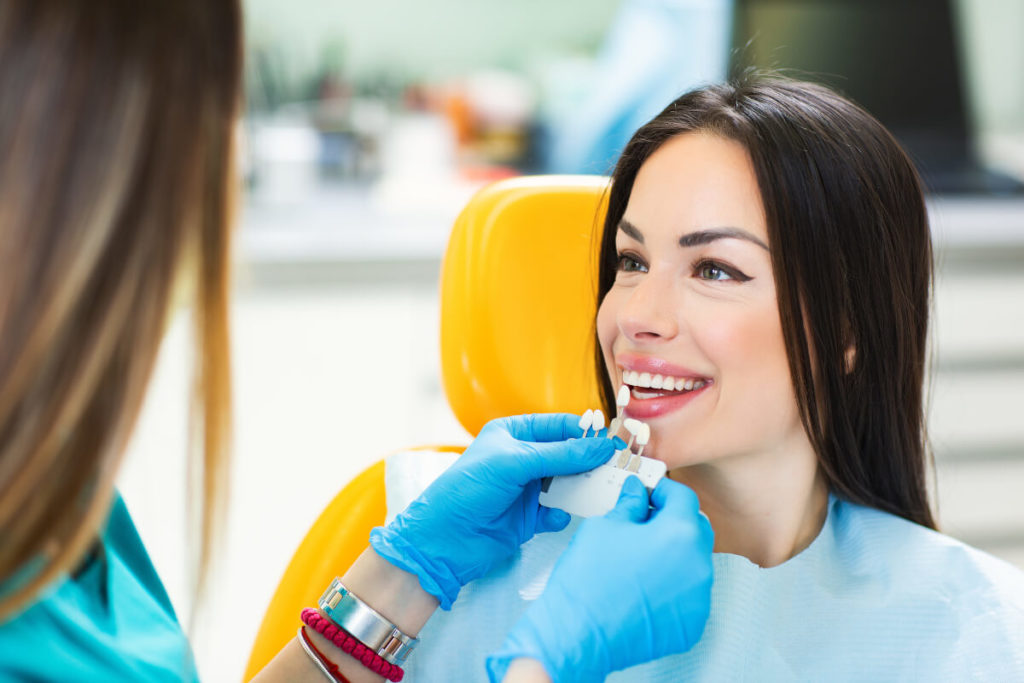
Benefits of Bonding & Contouring
- Improved Dental Alignment
- Enhanced Bite Function
- Reduced Risk of Dental Problems
- Enhanced Aesthetics and Self-Confidence
Tooth Bonding and Cosmetic Contouring
Small imperfections can have a big impact on your smile. If you’re unhappy with how your teeth look, you might assume that whitening treatments or dental crowns are your only options.
The good news? That’s not always the case.
Tooth bonding and cosmetic contouring offer a more conservative, minimally invasive way to improve your smile—often in just a single visit.
These treatments can help address:
- Chipped or cracked teeth
- Stubborn stains or discoloration
- Uneven or misshapen teeth
- Minor gaps between teeth
- Subtle cosmetic imperfections
Both tooth bonding and cosmetic contouring enhance the natural beauty of your smile by refining the appearance of your teeth without compromising your natural tooth structure.
Ready to improve your smile with a quick, effective treatment? Schedule a consultation with our team at Dimples Dental today to find out which treatment is right for you!
What Does Tooth Bonding Involve?
Tooth bonding is a precise cosmetic dental procedure that involves carefully selecting a composite material, applying it, and shaping it to match the natural color and appearance of your tooth.
The resin is carefully placed onto the treated area, then precisely shaped to mirror the tooth’s natural form before being set and finished to achieve a smooth, natural-looking result.
The tooth bonding process typically includes:
- Selecting a tooth-colored composite resin
- Applying and sculpting the material for a natural appearance
- Hardening the resin for durability
- Polishing the tooth for a smooth finish
When Is Tooth Contouring the Right Choice?
Cosmetic tooth contouring is a minimally invasive treatment that serves a different purpose than tooth bonding.
While bonding adds material to improve a tooth’s appearance, contouring focuses on carefully reshaping the outer enamel by removing a very small amount to refine the tooth’s natural form.
Tooth contouring may be recommended for minor cosmetic adjustments such as:
- Smoothing jagged or uneven tooth edges
- Correcting a slightly misshapen tooth
- Softening an excessively pointy tooth
- Smoothing rough or uneven areas of tooth enamel
Because cosmetic contouring works directly on tooth enamel, maintaining a healthy foundation is essential.
Before beginning any cosmetic treatment, we evaluate factors such as gum health and overall oral condition.
In some cases, addressing gum health first can be an essential part of creating cosmetic results that are both healthy and long-lasting.
Frequently Asked Questions about Tooth Bonding and Contouring
Tooth bonding and cosmetic contouring are both minimally invasive cosmetic dental treatments, but they improve a tooth’s appearance in different ways.
- Tooth bonding involves adding a tooth-colored composite resin to enhance the shape, color, or appearance of a tooth.
- Cosmetic contouring involves gently reshaping the tooth by removing a very small amount of outer enamel to refine its natural form.
Because one treatment adds material and the other reshapes existing enamel, they are often recommended for different cosmetic concerns.
In some cases, both treatments may be considered together depending on individual needs and evaluation.
The right option depends on the specific cosmetic concern being addressed and the condition of your natural teeth.
In general:
- Tooth bonding may be considered when a tooth needs added structure or refinement.
- Cosmetic contouring may be appropriate when only minor reshaping of the enamel is needed.
At Dimples Dental, determining the most appropriate option starts with a professional evaluation.
In some cases, tooth bonding and cosmetic contouring may be performed during the same appointment, as the treatments are complementary and minimally invasive.
At Dimples Dental, the decision to combine treatments is based on:
- Your specific cosmetic goals
- The condition of your teeth and enamel
- Overall oral health considerations
A personalized assessment helps determine whether completing both treatments during a single visit is appropriate and effective.
Tooth bonding is typically classified as a cosmetic dental treatment, as it focuses on improving the visual appearance of teeth rather than addressing functional concerns.
It focuses on improving shape, color, and overall aesthetics.
At Dimples Dental, maintaining healthy teeth and gums is always emphasized before beginning any cosmetic procedure.
Ensuring a strong oral health foundation helps cosmetic treatments remain safe, effective, and long-lasting.
A dental evaluation is important to ensure cosmetic treatments are planned with your overall oral health in mind.
At Dimples Dental, we carefully assess factors such as:
- Tooth structure
- Enamel condition
- Gum health
Addressing any underlying concerns first helps support better cosmetic outcomes and protects the long-term health of your smile.
Both tooth bonding and cosmetic contouring are considered minimally invasive cosmetic treatments and are generally well tolerated by patients.
Because these procedures are conservative and focused on small, targeted adjustments, discomfort is typically minimal.
At Dimples Dental, we take care to perform cosmetic treatments gently and thoughtfully, helping patients feel comfortable throughout the process.
Individual experiences may vary, which is why an evaluation helps determine what approach is most appropriate for each patient.
In many cases, anesthesia may not be necessary for tooth bonding or cosmetic contouring because the procedures are conservative and focus on surface-level enhancements.
At Dimples Dental, the need for anesthesia is determined on an individual basis, depending on:
- The specific tooth being treated
- The type of cosmetic adjustment planned
- Patient comfort and preferences
Our dental team prioritizes comfort while ensuring treatments are performed safely and effectively.
The length of an appointment for tooth bonding or cosmetic contouring can vary depending on the number of teeth involved and the type of adjustments being made.
At Dimples Dental, each treatment is customized rather than rushed. During your visit, time is dedicated to:
- Careful evaluation
- Precise application or reshaping
- Achieving a natural-looking result
Your dentist can provide a clearer expectation after assessing your individual needs.
Cosmetic tooth contouring typically involves minimal adjustment to the outer enamel and does not usually require significant downtime.
Since cosmetic contouring involves subtle enamel refinement rather than adding material or performing complex dental work, most patients are able to continue with their usual daily routines soon after their visit.
At Dimples Dental, we provide guidance based on your specific treatment to help ensure comfort and optimal results.
Following tooth bonding or cosmetic contouring, many patients are able to resume their usual eating and drinking habits without significant interruption.
However, because each treatment plan is individualized, recommendations may vary based on:
- The extent of the cosmetic adjustment
- The teeth involved
- Overall oral health considerations
At Dimples Dental, personalized guidance is provided after treatment to help protect your results and maintain your oral health.
Tooth bonding and cosmetic contouring are designed to create subtle, natural-looking improvements rather than dramatic changes.
At Dimples Dental, special attention is given to details such as tooth shape, color, and overall balance with surrounding teeth.
By thoughtfully tailoring each treatment to the individual, the focus is on improving your smile while maintaining a natural look that fits comfortably with your surrounding teeth.
The longevity of cosmetic results can vary depending on factors such as oral habits, overall dental health, and the specific treatment performed.
Because tooth bonding and cosmetic contouring are conservative treatments, consistent at-home care and routine dental checkups play an important role in helping maintain cosmetic results over time.
At Dimples Dental, we provide guidance tailored to your treatment to help support long-lasting outcomes.
Bonded teeth are designed to blend with your natural enamel at the time of treatment, but their appearance can change over time.
Factors that may influence appearance include:
- Daily oral habits
- Natural wear
- Overall oral health
At Dimples Dental, we evaluate these considerations when recommending cosmetic treatments and can discuss how to best maintain your smile’s appearance during routine visits.
Cosmetic tooth contouring involves reshaping the outer enamel of a tooth, which means the changes made during treatment are not reversible.
Because contouring works directly with natural tooth structure, it’s important that the procedure is carefully planned and conservatively performed.
At Dimples Dental, this emphasis on precision and evaluation helps ensure contouring is appropriate and aligned with long-term oral health.
Both tooth bonding and cosmetic contouring are designed to be conservative treatments that focus on preserving natural tooth structure.
At Dimples Dental, treatments are recommended only after evaluating enamel condition, tooth structure, and overall oral health.
This careful approach helps ensure that cosmetic improvements support both appearance and function without compromising dental health.
Cold weather can sometimes make teeth feel more sensitive, especially when exposed to temperature changes.
Because tooth bonding and cosmetic contouring work closely with natural tooth structure, overall enamel condition and oral health play an important role in how teeth respond to seasonal changes.
At Dimples Dental, we consider these factors when evaluating cosmetic treatment options to help ensure comfort throughout the year.
Winter can be a convenient time for cosmetic dental treatments for many patients, as schedules may be more flexible and treatment planning can be done without the pressure of upcoming events.
At Dimples Dental, cosmetic procedures are planned based on individual readiness and oral health rather than the season alone.
An evaluation helps determine whether bonding or contouring is appropriate at any time of year.
Yes, cosmetic treatments like tooth bonding and contouring are often considered alongside routine dental care.
At Dimples Dental, planning may take into account:
- Preventive care needs
- Overall oral health
- Long-term treatment goals
Coordinating cosmetic treatments with regular dental visits helps support both appearance and ongoing oral health.
Yes, maintaining a healthy oral foundation is an important part of successful cosmetic dentistry.
At Dimples Dental, we emphasize addressing concerns such as gum health or enamel condition before proceeding with cosmetic treatments.
This careful approach helps support safer treatment planning and more predictable cosmetic results.
Getting started involves an in-office assessment that allows our dental team to review your smile concerns and evaluate your overall oral health before recommending cosmetic treatment.
At Dimples Dental, this process includes:
- Discussing your smile concerns
- Evaluating tooth and gum health
- Determining whether bonding, contouring, or another approach may be appropriate
This personalized planning helps ensure cosmetic treatments are both effective and aligned with long-term oral health.
Put Your Dental in Good Hands
I've been seeing Dr. Ethan Roos at Dimples Dentistry for over 5 years and have always been happy with the care I've received here. The staff has always been very welcoming, as if you are part of the family. I highly recommend!!

Called Dimples and wish I called them first. Their receptionist was SO kind and SO helpful. Even offered to call to have my records sent to them in hopes to save me some money from doing x rays again. She was nothing but sweet! Got me scheduled within 2 days. Went above and beyond and was kind when I arrived.
Dr. Roos and his staff are incredibly professional, kind, and knowledgeable. Their pricing is also extremely reasonable, even for those without insurance. We had an excellent experience with a dental emergency exam; they also had availability to fit us in for a routine exam and cleaning after the emergency exam.