How to Care for Dentures or Partial Dentures — Tips from an Iowa Dentist
Knowing how to care for dentures properly helps your smile stay fresh, prevents irritation, and keeps your dentures lasting longer.
When cleaned and maintained properly, dentures not only look better but also last longer and feel more natural.
Whether you wear full or partial dentures, here’s a simple daily routine approved by our Iowa dentist:
- Rinse after eating to remove food particles and bacteria.
- Handle dentures gently to avoid drops or surface damage.
- Use a soft-bristled brush and gentle denture cleanser to keep the surface smooth and stain-free.
- Clean your gums and tongue to promote oral health.
- Let your dentures rest overnight in clean water or a gentle cleansing solution designed specifically for dentures.
- Rinse before wearing again to remove any residue.
- See your dentist regularly to maintain a precise fit and catch any early signs of wear or irritation.
Follow these seven steps to keep dentures clean, comfortable, and long-lasting — and enjoy the confidence of a healthy smile every day.
Why Proper Care Matters for Full and Partial Dentures
Now that you know how to care for your dentures, it helps to understand why those steps matter.
Clean, well-maintained dentures don’t just look better — they protect your gums from irritation, prevent odor, and help your dentures last years longer.
Proper care also saves you money by reducing the need for repairs or replacements, while keeping your smile comfortable and natural-feeling every day.
At Dimples Family Dentistry, we teach Iowa patients how to take care of their dentures the right way — with simple routines that keep their smile bright, their confidence high, and their dentures fitting comfortably year after year.
How to Clean Dentures the Right Way (and Keep Them Fresh)
Knowing how to clean dentures properly keeps your smile fresh, prevents buildup, and helps your dentures fit comfortably over time. The good news? It only takes a few minutes a day.
Here’s a simple routine our Iowa dentist recommend:
- Pick a soft-bristle brush and a cleanser — never regular toothpaste, which can scratch the surface.
- Rinse your dentures after eating to clear away leftover food and stop plaque from forming.
- Brush gently in circular motions to remove bacteria and stains without wearing down the material.
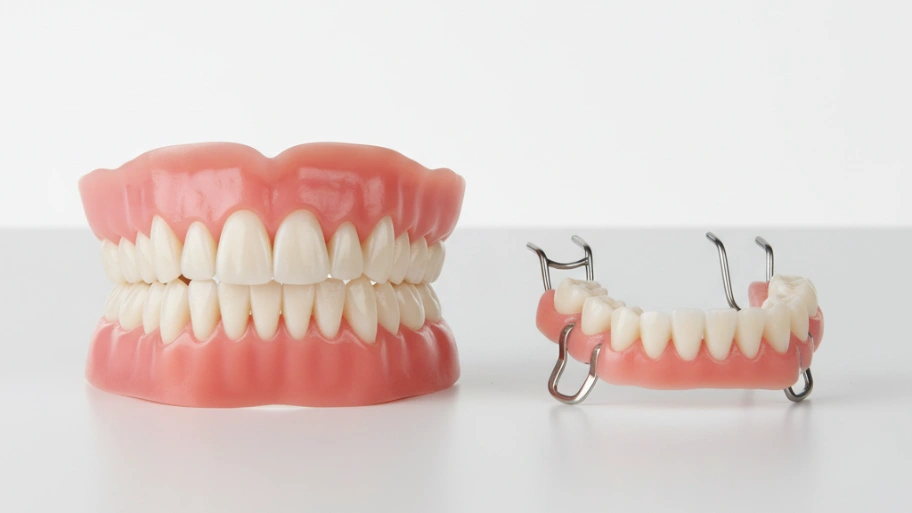
- For partial dentures, take extra care around the metal clasps — this is how you clean partial dentures without bending or damaging them.
- Clean your gums, tongue, and cheeks daily to maintain full-mouth freshness and prevent odor-causing bacteria.
Making this quick routine part of your nightly habit is the easiest way for how to keep dentures clean and odor-free — helping your smile stay fresh and comfortable day after day.
Soaking, Storage, and Safe Products
Once your dentures are clean, the next step is keeping them fresh and properly hydrated.
Soaking overnight isn’t just a suggestion — it’s an essential part of how to keep dentures clean and maintain their shape. When dentures dry out, they can warp, crack, or lose their comfortable fit.
If you live in Iowa, where cold, dry winters can pull moisture from the air, soaking becomes even more important. Keeping dentures in a mild cleaning solution overnight helps preserve their smooth surface and prevents bacterial buildup.
Here’s what our Iowa dentists recommend:
Wondering how to get plaque off dentures safely? Choose a non-abrasive denture cleanser, or ask your dentist for a professional ultrasonic cleaning to remove stubborn buildup.
By giving your dentures a proper overnight soak and using safe products, you’ll keep them clean, fresh, and ready for a confident start every morning.
When to Call Your Dentist (and Why It’s Important)
Even with excellent home care, dentures sometimes need a professional touch. If you notice any of the following, it’s time to schedule a visit with your dentist:
A clean denture is important, but making sure it fits securely is just as vital for daily comfort.
Over time, natural changes in your gums and bone can make dentures feel loose or unstable — and that’s completely normal.
Our Iowa dental team can adjust, reline, or replace dentures to restore a secure, comfortable fit so you can speak, smile, and eat confidently year-round.
Iowa Dentist’s Final Tips for Long-Lasting Dentures
Once your dentures fit well and feel comfortable, a few small habits can help you keep them that way for years.
Our Iowa dentists share these simple, local-friendly tips for how to care for dentures and make them last:
- Skip hard or sticky Iowa fair favorites like caramel corn or taffy, which can damage your dentures or loosen partial clasps.
- Store dentures away from heat or direct sunlight to prevent warping, especially during warm Midwest summers.
- Keep a small travel case and cleaning kit handy for quick rinses or adjustments when you’re on the go.
With these dentist-approved habits, you’ll always know how to care for your dentures and keep your smile strong, confident, and comfortable through every Iowa season.
Conclusion: Keep Your Smile Confident and Comfortable
Caring for dentures is simple once you know the right steps — and staying consistent makes all the difference.
With the right cleaning habits, proper storage, and a little help from your dentist, your dentures can stay fresh, secure, and natural-looking for years.
For personalized guidance on caring for dentures or partial dentures, visit our Partial & Full Dentures page and schedule a visit with our friendly Iowa dentists.
We’ll help you keep your smile comfortable, confident, and built to last.
Frequently Asked Questions About How to Care for Dentures and Partial Dentures
To keep your dentures looking and feeling their best, give them a thorough cleaning once a day and a quick rinse after every meal.
Regular cleaning removes food debris, prevents stains, and reduces bacteria that can cause odor or irritation.
Make sure to use a soft brush and a mild cleanser designed for dentures—not toothpaste. Consistency is key in caring for dentures and keep them fresh.
If you’re unsure which products to use, ask your dentist for professional recommendations to protect both your dentures and your oral health.
No, it’s best to avoid using standard toothpaste on dentures. Most toothpastes contain abrasive particles that can scratch and dull denture surfaces.
Instead, use a non-abrasive denture cleanser or mild dish soap with a soft-bristled brush.
This method helps maintain the denture’s smooth finish and prevents plaque buildup. Understanding how to clean dentures properly not only keeps them looking new but also helps them last longer.
For safe product suggestions, your dentist can guide you toward ADA-approved cleansers.
When it comes to how to clean partial dentures, gentle care is essential. Remove your partials daily and rinse them under cool water to clear away loose food.
Gently brush your denture with a soft-bristled brush, paying extra attention to the areas near metal clasps. Clean carefully to avoid bending or loosening them during brushing.
Avoid soaking partial dentures in hot water, which may distort the shape. After cleaning, rinse thoroughly before reinserting them.
If plaque or tartar buildup becomes hard to remove, schedule a professional cleaning with your dentist.
Odor is often caused by bacteria or trapped food particles. To prevent smells, brush your dentures daily with a mild cleanser, soak them overnight, and rinse before wearing them again.
Cleaning your gums and tongue is also important since odor-causing bacteria can transfer back onto your dentures.
Making these steps part of your dentures routine keeps your breath fresh and your dentures feeling clean.
If odor persists, your dentist can check for buildup or fit issues that might be trapping bacteria.
It’s better to remove your dentures at night. Sleeping without them allows your gums to rest and prevents irritation or infection.
Overnight removal also lets you soak your dentures—one of the best ways to keep dentures clean and maintain their shape.
Wearing them 24/7 can lead to sore spots or gum inflammation.
So, before bed, simply brush and soak your dentures in water or a cleaning solution, and you’ll wake up to a fresher, healthier fit.
Plaque can form on dentures just like it does on natural teeth.
The best way for how to get plaque off dentures is by brushing daily with a soft denture brush and soaking them overnight in a non-abrasive cleanser.
Avoid skipping your nightly cleaning—this is when most buildup occurs. If you notice hardened deposits, ask your dentist about professional ultrasonic cleaning.
Staying consistent with these steps is key to how to keep dentures clean and free from odor-causing bacteria.
Yes, hot water can warp the acrylic base of your dentures, causing an uneven fit. Always rinse and soak dentures in cool or lukewarm water instead.
Temperature matters when learning to care for dentures—heat may seem like a good way to kill germs, but it can permanently change the shape of your denture.
To disinfect safely, use an ADA-approved cleanser recommended by your dentist, not boiling water or harsh solutions.
Soaking is a key step in how to keep dentures clean and comfortable.
You can use plain water or a mild denture-cleaning solution—both keep dentures hydrated and prevent warping.
Avoid bleach or alcohol-based products, which can weaken materials and irritate your mouth. In Iowa’s colder months, soaking also prevents dryness and cracking.
Always rinse your dentures thoroughly in the morning before wearing them to remove any cleanser residue and ensure a fresh start to your day.
While vinegar and baking soda are common home remedies, they’re not ideal for dentures. Both can be too harsh and may damage the acrylic base over time.
Instead, use ADA-approved denture cleaners formulated to remove stains and plaque without abrasion. Following the right routine for how to clean dentures ensures they last longer and maintain their natural color.
If you prefer a more natural option, ask your dentist about gentle, professional-grade solutions that are safe for daily use.
With good care, dentures typically last between five and seven years. Over time, your mouth’s natural shape changes, and the dentures may start to feel loose or worn.
Following daily cleaning habits and regular checkups is the best way for how to care for dentures and keep them in top condition.
If they start to fit poorly, your dentist can reline or adjust them to restore comfort.
Taking good care of your dentures helps them stay strong and keeps your smile feeling natural and self-assured.
Neglecting regular cleaning can lead to plaque buildup, gum irritation, and even mouth infections.
Unclean dentures may also develop unpleasant odors or discoloration. Learning how to clean dentures properly prevents these issues and keeps your oral tissues healthy.
If you notice soreness, a white film, or persistent odor, schedule a dental visit as soon as possible.
Professional cleaning and adjustments can restore freshness and protect both your dentures and your gums.
When not in use, keep dentures moist to prevent warping and cracks. The safest way for how to keep dentures clean and hydrated is by storing them in cool water or a denture solution overnight.
Avoid wrapping them in tissue or leaving them exposed to air, as dryness can cause the material to shrink.
If you’re traveling, use a clean case to keep them protected.
With just a little care each day, you can protect your dentures and keep your smile feeling natural for years.
Yes, mild soreness or tightness is common as your mouth adjusts to new dentures.
Most people get used to their dentures within a few weeks, especially when they stick to a consistent how to care for dentures routine that includes gentle cleaning and nightly soaking.
However, if discomfort persists or you experience rubbing or pain, contact your dentist.
They can make small adjustments to improve the fit. Don’t try to fix dentures yourself—professional refinements ensure long-term comfort and prevent damage.
Only alcohol-free mouthwash should be used on dentures. Regular mouthwash formulas can dry out or weaken the denture material.
Instead, use a denture cleanser for deep cleaning and reserve mouthwash for rinsing your gums and mouth. This balance keeps both your oral tissues and dentures healthy.
If you’re unsure how to clean dentures safely using mouthwash, ask your dentist for product recommendations suited to your daily care routine.
If your dentures start to feel loose or slip when you talk or eat, it’s time to visit your dentist. Over time, your gums and jawbone naturally change shape, which can affect how dentures fit.
Avoid using excess adhesive to compensate, as this may mask an underlying issue. A professional refit or reline restores comfort and stability.
Knowing how to care for dentures also means recognizing when they need adjustment—doing so early prevents sore spots and extends their lifespan.
Stains can develop from coffee, tea, or tobacco use. To remove them safely, brush dentures daily using a soft brush and a non-abrasive cleanser made for dentures.
Avoid whitening toothpaste—it can scratch the surface and make stains worse. For deep stains that don’t come off with brushing, your dentist can professionally clean or polish them.
Keeping up with daily hygiene is the best way for how to keep dentures clean and looking like new.
It’s best to leave polishing to your dentist. Home tools or abrasive products can damage the smooth finish and alter how dentures fit.
Dentists use specialized equipment and polishers that restore shine without removing protective layers. Understanding how to care for dentures includes knowing which tasks to do at home and which to leave to professionals.
Regular cleanings during checkups keep them bright, smooth, and comfortable without risking damage.
Iowa’s dry winter air can cause dentures to lose moisture faster.
To protect them, soak dentures overnight in water or a mild cleaning solution, and avoid placing them near heating vents or radiators.
These habits are part of how to care for dentures safely during seasonal changes. Keeping them hydrated prevents warping or cracking, ensuring they stay comfortable and well-fitted all year long.
If they feel dry or rough, schedule a quick checkup for adjustment.
Most dentures last about five to seven years, but replacement may be needed sooner if they start to loosen, crack, or change color.
Over time, your mouth naturally shifts and the shape of your gums can change, which may cause dentures to feel less stable.
Routine checkups help your dentist spot signs of wear early and recommend adjustments or a new set when necessary.
Staying proactive is an important part of how to care for dentures and keeping your smile healthy and secure.
Put Your Dental in Good Hands
Experiencing a dental emergency in Norwalk, IA? Contact Dimples Family Dentistry at (515) 256-1176 for immediate assistance and expert care.
I've been seeing Dr. Ethan Roos at Dimples Dentistry for over 5 years and have always been happy with the care I've received here. The staff has always been very welcoming, as if you are part of the family. I highly recommend!!

Called Dimples and wish I called them first. Their receptionist was SO kind and SO helpful. Even offered to call to have my records sent to them in hopes to save me some money from doing x rays again. She was nothing but sweet! Got me scheduled within 2 days. Went above and beyond and was kind when I arrived.
Dr. Roos and his staff are incredibly professional, kind, and knowledgeable. Their pricing is also extremely reasonable, even for those without insurance. We had an excellent experience with a dental emergency exam; they also had availability to fit us in for a routine exam and cleaning after the emergency exam.