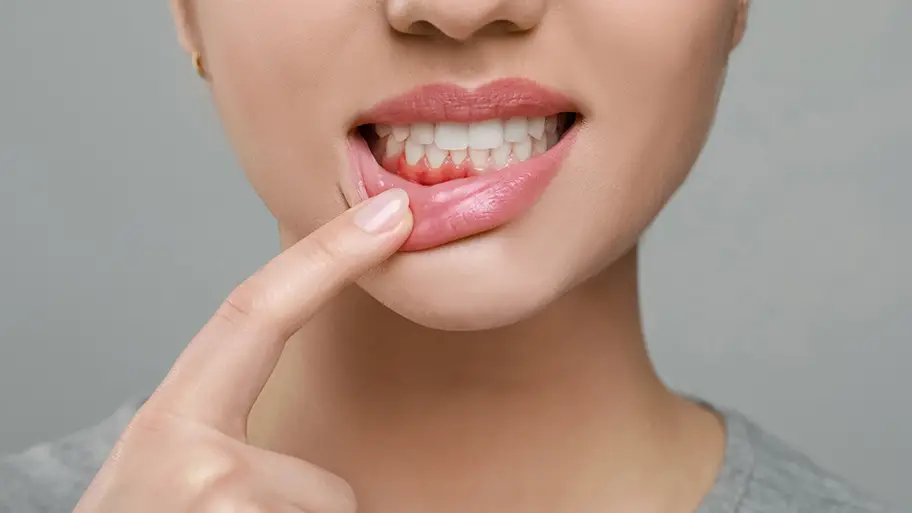

Gum Disease Treatment Options: What Actually Works in 2024

Why Gum Disease Treatment Matters More Than You Think

Gum disease is one of the most common oral health conditions in adults—and one of the most underestimated. What starts as mild gum inflammation (gingivitis) can quietly progress into periodontitis, a more serious infection that damages the bone and tissue supporting your teeth. The encouraging news: with the right gum disease treatment plan, most people can halt the progression, restore gum health, and keep their natural teeth for life.

If you’ve noticed bleeding when you brush, persistent bad breath, or gums that look like they’re pulling away from your teeth, you’re not alone—and you’re not out of options. This guide breaks down the treatment approaches that actually work in 2024, so you can walk into your next appointment feeling informed and ready.

Understanding the Stages: Why Treatment Varies

Not every case of gum disease looks the same, and treatment is matched to the severity of the condition. A dentist will measure the depth of the pockets between your gums and teeth, assess bone levels, and review your overall dental hygiene habits before recommending a course of action. The earlier gum disease is caught, the simpler—and more effective—treatment tends to be.

Proven Gum Disease Treatment Options

1. Improved Home Care and Professional Cleanings

For early-stage gingivitis, a thorough professional cleaning combined with a consistent home routine is often enough to reverse the condition. Your hygienist removes plaque and tartar buildup that brushing and flossing can’t reach. Pair that with twice-daily brushing and daily flossing—tips covered in depth in our post Good Dental Hygiene Routine Made Easy: Top Dental Hygiene Tips—and many patients see meaningful improvement within a few weeks. Preventive dental care is the foundation that makes every other treatment more effective.

2. Scaling and Root Planing (Deep Cleaning)

When gum pockets deepen beyond what a standard cleaning can address, scaling and root planing becomes the go-to non-surgical treatment. This two-part procedure removes bacterial deposits from below the gumline (scaling) and then smooths the root surfaces to discourage bacteria from reattaching (root planing). It’s typically done in quadrants with local anesthetic, so discomfort is minimal. Most patients are surprised by how manageable it is.

Our existing post How to Treat Gum Disease Quickly and Effectively goes deeper into what the recovery process looks like after a deep cleaning—worth a read if you’re weighing your next steps.

3. Antibiotic Therapy

In some cases, your dentist may recommend antibiotic therapy alongside a deep cleaning. This can take the form of a topical antibiotic placed directly into the gum pockets, or an oral prescription to help clear the bacterial infection systemically. Antibiotic therapy is rarely a standalone solution—it works best as a complement to mechanical cleaning.

4. Laser Gum Treatment

Laser-assisted gum treatment has become an increasingly popular option for patients with moderate to advanced gum disease. The laser targets infected tissue with precision, removing bacteria while leaving healthy tissue intact. Many patients prefer it because it involves less bleeding, reduced swelling, and a faster recovery compared to traditional surgical approaches. At Dimples Family Dentistry, we’re committed to offering modern, patient-centered options that make your experience as comfortable as possible.

5. Surgical Options for Advanced Cases

For patients with significant bone loss or pockets that don’t respond to non-surgical treatment, periodontal surgery may be recommended. Flap surgery allows the dentist to fold back the gum tissue, thoroughly clean the roots, and reposition the gums for a better fit around the teeth. Bone grafting may also be used to rebuild areas where bone has been lost. These procedures are typically performed by a periodontist and are reserved for more advanced disease.

What About Home Remedies?

You may have come across articles asking whether hydrogen peroxide or oil pulling can treat gum disease at home—a topic we explore in the companion post Can Peroxide Really Help Gum Disease? What Dentists Say. The short answer: some home remedies can support your treatment, but none replace professional care. Delaying a dental visit in favor of DIY approaches allows the disease to advance, making treatment more involved down the road.

The Connection Between Gum Disease and Overall Health

Research continues to highlight links between gum disease and systemic health conditions, including cardiovascular disease and diabetes. This is one more reason that professional gum disease treatment isn’t just about your smile—it’s about your whole-body wellness. Treating gum disease proactively is one of the smartest investments you can make in your long-term health.

What to Expect at Your Gum Disease Appointment in Norwalk

At Dimples Family Dentistry in Norwalk, IA, your first step is a comprehensive evaluation. The team will assess your gum health, take any necessary X-rays, and walk you through a personalized treatment plan. There’s no one-size-fits-all protocol here—every recommendation is based on your specific condition, comfort level, and goals. If you’re a new patient, our first visit information page can help you know exactly what to bring and what to expect when you arrive.

And if cost or insurance coverage is a concern, ask about our membership plans—they’re designed to make consistent dental care accessible for the whole family.

Frequently Asked Questions

Is gum disease reversible?

Gingivitis, the earliest stage, is fully reversible with professional cleaning and improved home care. More advanced gum disease (periodontitis) can be managed and stabilized, but the damage to bone and tissue is not always fully reversible. Early intervention gives you the best outcome.

How long does gum disease treatment take?

It depends on the severity. A standard deep cleaning may require two to four appointments spread over a few weeks. After active treatment, most patients move into a maintenance schedule of cleanings every three to four months to keep the disease under control.

Does gum disease treatment hurt?

Most non-surgical treatments are performed with local anesthetic, so you shouldn’t feel pain during the procedure. Some tenderness and sensitivity in the days following a deep cleaning is normal and typically resolves quickly. Laser treatments often involve even less post-procedure discomfort.

Can gum disease come back after treatment?

Yes, which is why ongoing maintenance is essential. Once you’ve had gum disease, you’re more susceptible to recurrence. Sticking to your recommended cleaning schedule and maintaining a strong home hygiene routine are the most effective ways to keep it from returning.

When should I see a dentist about my gums?

If you notice bleeding when you brush or floss, gums that look red or swollen, persistent bad breath, or teeth that feel loose, schedule an appointment as soon as possible. These are early warning signs that gum disease may be developing—and the sooner it’s addressed, the easier it is to treat.

Ready to take the first step toward healthier gums? The team at Dimples Family Dentistry in Norwalk, IA is here to help. Call us at (515) 256-1176 or schedule your appointment online today—your gums will thank you.

Can Peroxide Really Help Gum Disease? What Dentists Say

Is Hydrogen Peroxide a Real Solution for Gum Disease?

If you’ve ever noticed your gums looking red, feeling tender, or bleeding when you brush, you’re not alone — and you’ve probably wondered whether something as simple as hydrogen peroxide could help. It’s an affordable, widely available product that many people already keep in their medicine cabinets. But can peroxide really help gum disease, or is it more of a dental myth? The honest answer is: it depends on how you use it, and how far your gum disease has progressed.

At Dimples Family Dentistry in Norwalk, IA, we believe informed patients make better decisions about their oral health. So let’s walk through what the dental community actually says about hydrogen peroxide, its real benefits, its real limits, and when it’s time to stop DIY-ing and call your dentist.

What Is Hydrogen Peroxide and How Does It Affect Gums?

Hydrogen peroxide (H₂O₂) is an antiseptic compound that releases oxygen when it contacts organic material — including the bacteria living in your mouth. That fizzing action you see when you rinse with it? That’s oxidation at work, disrupting the cell walls of certain bacteria.

In the context of gum health, this matters because gum disease (also called periodontal disease) is caused primarily by bacterial buildup along and beneath the gumline. Plaque that isn’t removed through brushing and flossing hardens into tartar, irritates gum tissue, and eventually triggers an inflammatory response. Anything that reduces harmful oral bacteria, even temporarily, can theoretically support healthier gums.

Studies have shown that diluted hydrogen peroxide rinses can reduce bacterial counts in the mouth and may help reduce gum inflammation when used as part of a consistent oral hygiene routine. However, it is not a substitute for professional treatment — and using it incorrectly can actually damage soft tissue.

What Peroxide Can and Cannot Do for Gum Disease

What It Can Help With

  • Mild gingivitis: In its earliest stage, gum disease (gingivitis) involves inflammation without bone or tissue loss. A diluted peroxide rinse — typically 1.5% to 3% concentration — may help reduce bacteria and soothe irritated gums alongside thorough brushing and flossing.
  • Reducing surface bacteria: Peroxide can temporarily lower the bacterial load in your mouth, which may help slow the progression of early gum disease between dental visits.
  • Supporting healing after treatment: Some dentists recommend short-term peroxide rinses as part of post-treatment care following a professional cleaning or scaling and root planing procedure.

What It Cannot Do

  • Reach below the gumline: Moderate to advanced gum disease involves bacteria living in deep pockets beneath the gumline — areas a mouth rinse simply cannot reach.
  • Reverse bone or tissue loss: Once gum disease has caused structural damage, no over-the-counter product can restore it. Professional intervention is required.
  • Replace a professional cleaning: Tartar buildup can only be removed with professional instruments. Peroxide has no effect on hardened calculus.

Is It Safe to Use Hydrogen Peroxide on Your Gums?

Used correctly, diluted hydrogen peroxide is generally considered safe for most adults. The key word is diluted. Undiluted or high-concentration peroxide can irritate or even damage gum tissue, cause sensitivity, and disrupt the natural balance of bacteria in your mouth. Dental professionals typically recommend using a 1.5% to 3% solution — not the standard 6% to 10% formulas found in some whitening products — and limiting use to a few times per week rather than daily.

If you have existing gum recession, open sores, or a history of sensitive teeth, it’s especially important to check with your dentist before adding any peroxide rinse to your routine. For a broader look at building habits that protect your gums, our post on good dental hygiene for preventing tooth and gum diseases is a great starting point.

When Peroxide Isn’t Enough: Signs You Need Professional Gum Treatment

Hydrogen peroxide may offer modest support for very mild gum irritation, but several warning signs indicate it’s time to see a dentist rather than self-treat:

  • Gums that bleed regularly when brushing or flossing
  • Persistent bad breath that doesn’t improve with brushing
  • Gums that appear to be pulling away from your teeth
  • Teeth that feel loose or have shifted position
  • Pain or pressure when chewing
  • Visible pus or swelling near the gumline

These are signs of moderate to advanced periodontal disease, and they require professional care. Our gum disease treatment services in Norwalk, IA are designed to address the full spectrum of periodontal concerns — from a thorough deep cleaning to more targeted therapies tailored to your needs.

For a broader look at your options, keep an eye out for our upcoming post, Gum Disease Treatment Options: What Actually Works in 2024, which covers the full range of professional treatments available today. You can also read more on how to treat gum disease quickly and effectively for additional context.

Building a Routine That Actually Protects Your Gums

Whether or not you choose to incorporate a diluted peroxide rinse, the foundation of gum health remains consistent: brush twice daily with a soft-bristled brush, floss at least once a day, and visit your dentist for regular cleanings and checkups. Our preventive dental care services are built around exactly this kind of proactive, relationship-based approach to keeping your smile healthy for the long term.

It’s also worth noting that peroxide is sometimes associated with teeth whitening — but the concentrations used for gum support are far lower than those used in professional whitening treatments. If you’re curious about the difference, we’ll be exploring that in our upcoming post, Zoom Teeth Whitening vs. Store Kits: Is Dental Zoom Worth It?

Frequently Asked Questions

Can I use hydrogen peroxide as a mouthwash every day?

Daily use of hydrogen peroxide is generally not recommended. Overuse can irritate soft tissue, disrupt the natural bacterial balance in your mouth, and potentially cause sensitivity. A few times per week with a properly diluted solution is a safer approach — and always check with your dentist first.

What concentration of hydrogen peroxide is safe for gums?

Most dental professionals suggest a 1.5% to 3% concentration for oral use. This is typically achieved by diluting standard drugstore 3% peroxide with equal parts water. Avoid using whitening-strength or undiluted formulas directly on gum tissue.

Will peroxide cure gum disease?

No. Hydrogen peroxide can support mild gum health as part of a broader hygiene routine, but it cannot cure gum disease — especially in moderate or advanced stages. Professional treatment is necessary to address the bacterial deposits, inflammation, and structural damage that characterize true periodontal disease.

How do I know if I have gum disease or just irritated gums?

Occasional mild irritation from aggressive brushing or a food scratch is different from gum disease. If your gums bleed consistently, appear swollen or dark red, or you notice persistent bad breath, those are signs worth discussing with a dentist. A professional examination is the only reliable way to assess the health of your gum tissue and bone.

What does professional gum disease treatment involve?

Treatment depends on the severity of the condition. Early-stage gum disease may be addressed with a thorough professional cleaning. More advanced cases often involve scaling and root planing — a deep-cleaning procedure that removes bacteria from below the gumline and smooths root surfaces to discourage future buildup. Your dentist will recommend the approach best suited to your situation.

If you have concerns about your gum health — or you’ve been relying on home remedies and aren’t seeing improvement — the team at Dimples Family Dentistry is here to help. Schedule an appointment today and get a clear picture of where your gum health stands and what steps will make the biggest difference for your smile.